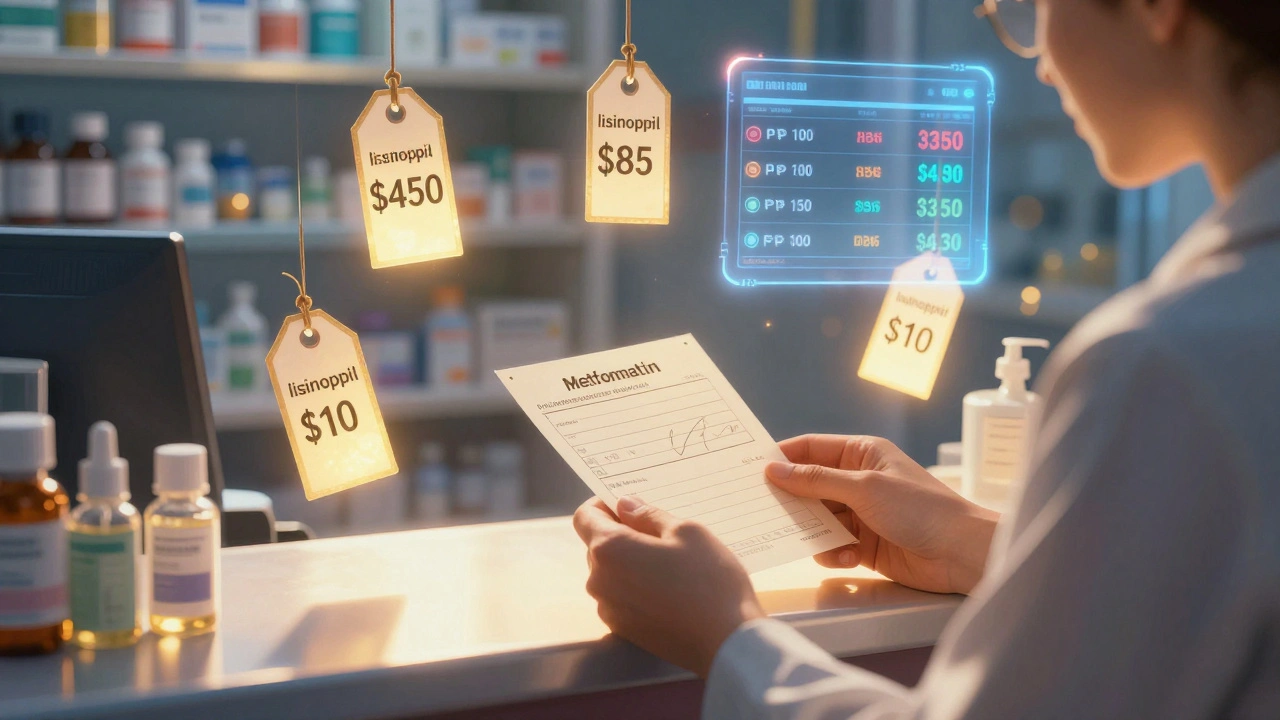
Prescription Drug Savings: How to Cut Costs on Medications Without Sacrificing Care
When it comes to prescription drug savings, the amount you pay out of pocket for medications that are essential to your health. Also known as medication cost reduction, it’s not about skipping pills—it’s about making smart choices that keep you safe and your wallet intact. Millions of people in the U.S. skip doses or split pills because they can’t afford their meds. That’s not just risky—it’s dangerous. But you don’t have to choose between health and bills. Real savings exist, and they’re not hidden behind paywalls or fine print.
One of the biggest tools for generic prescriptions, medications that work just like brand-name drugs but cost far less. Also known as non-brand drugs, they make up over 90% of all prescriptions filled in the U.S. and save patients billions every year. Yet many still pay full price because they don’t know generics are just as effective. Take metformin for diabetes or lisinopril for blood pressure—these are generics that work exactly like their brand-name versions. The FDA requires them to meet the same standards. The only difference? The price tag.
Then there’s Medicare Extra Help, a federal program that cuts prescription costs for people with limited income. Also known as Part D Low-Income Subsidy, it can reduce your copays to as low as $4.90 per fill and eliminate premiums and deductibles entirely. If you’re on Medicare and your income is below $20,385 (or $27,465 for couples), you qualify—even if you didn’t apply before. Thousands miss out simply because they assume they earn too much or don’t know it exists. The application takes less than 15 minutes, and you can get retroactive savings.
But savings aren’t just about programs—they’re about awareness. Many people don’t realize that authorized generics, the exact same drug as the brand name, sold under a generic label by the original manufacturer. Also known as brand-name generics, they’re often cheaper than regular generics because there’s no marketing cost. Companies like Pfizer and Johnson & Johnson sell their own drugs as authorized generics after patents expire. You’re getting the same pill, same factory, same quality—but at a discount. Ask your pharmacist: "Is there an authorized generic for this?" It’s a simple question that can save you hundreds a year.
And then there’s the hidden risk: counterfeit drugs. Fake pills sold online might look real, but they can contain fentanyl, rat poison, or nothing at all. The FDA warns that over 50% of online pharmacies are illegal. True drug cost assistance, legitimate programs that help people pay for medicines without risking their health. Also known as patient assistance programs, they’re offered by drugmakers, nonprofits, and government agencies. These aren’t shady deals—they’re safe, legal, and free. You just have to know where to look.
What you’ll find below are real stories and proven strategies from people who’ve been there. From how to use Medicare Extra Help to avoid paying $300 for a single pill, to why switching to a generic can stop seizures in people on phenytoin, to how checking your label before every dose can prevent deadly mistakes—these aren’t theory pieces. They’re action guides written by people who’ve lived it. No fluff. No hype. Just what works.
Learn how to use free price transparency tools to compare drug costs across pharmacies and insurance plans. Save hundreds on prescriptions by finding the lowest out-of-pocket prices with simple, step-by-step guidance.