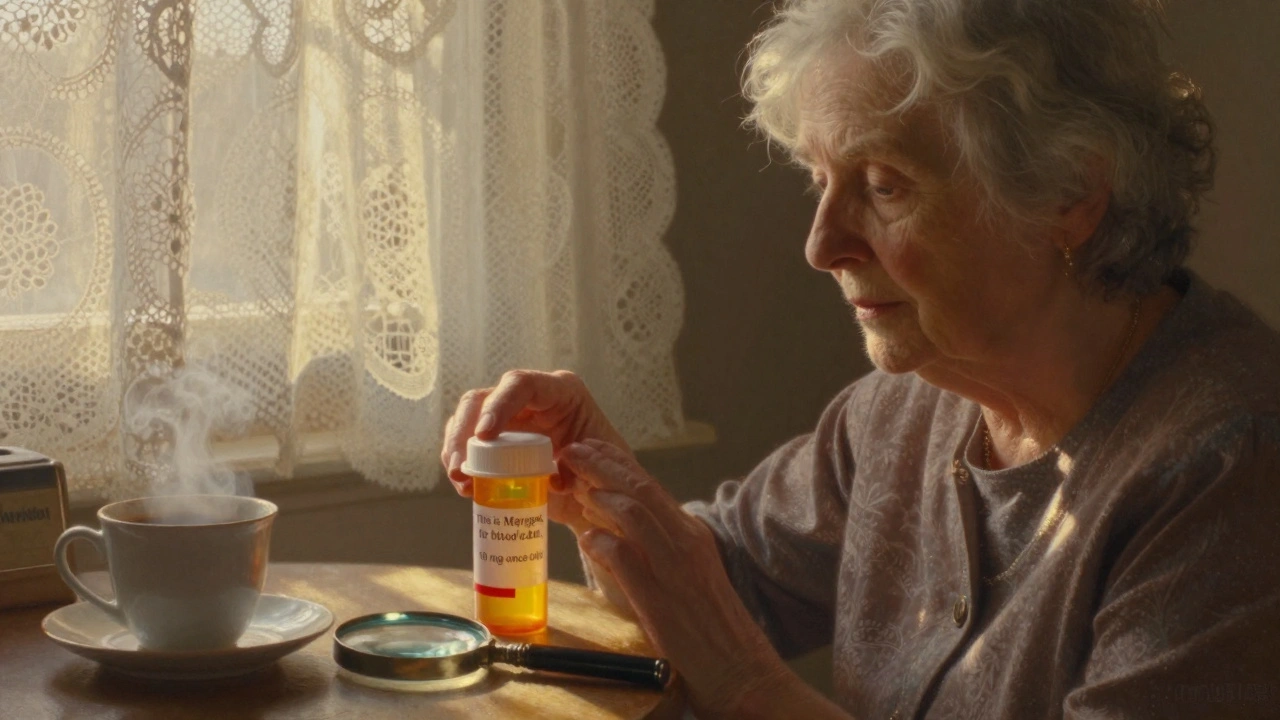
Pill Label Verification: How to Spot Fake Medications and Stay Safe
When you pick up a pill, you assume it’s what the label says it is. But pill label verification, the process of checking a medication’s label, packaging, and physical appearance to confirm it’s genuine. Also known as medication authenticity checks, it’s not just a safety step—it’s a life-saving habit. Every year, thousands of people unknowingly take fake pills that contain fentanyl, rat poison, or industrial chemicals. These aren’t just ineffective—they’re killers. The FDA and WHO warn that over 1 in 10 medications sold globally are counterfeit, and online pharmacies make it easier than ever to accidentally buy one.
Counterfeit drugs don’t look like cheap knockoffs. They’re often perfect copies—same color, same shape, same logo. That’s why you can’t rely on appearance alone. You need to verify the pill label, the printed information on a medication’s packaging, including manufacturer name, lot number, expiration date, and dosage. Look for misspellings, blurry text, or missing batch codes. Compare the pill to images on the official manufacturer’s website. If it came from a website you’ve never heard of, or a social media ad promising "discounted Viagra," skip it. Real pharmacies don’t sell prescription meds through Instagram DMs.
The drug contaminants, toxic substances like fentanyl, heavy metals, or antifreeze found in fake pills. are why this matters. A single counterfeit painkiller can contain enough fentanyl to kill you. The same goes for fake Adderall, Xanax, or even diabetes pills. These aren’t rare edge cases—they’re epidemic-level threats. The CDC has linked fake pills to hundreds of overdose deaths in the last five years. And it’s not just opioids. Fake antibiotics, blood pressure meds, and heart drugs are flooding the market too.
Real medication comes with a medication safety, the set of practices and systems designed to prevent errors and harm from drugs. system behind it: regulated manufacturing, traceable supply chains, and licensed pharmacies. If you’re unsure, call your pharmacist. They can check the lot number against the manufacturer’s database. If you bought it online, report it to the FDA. You’re not just protecting yourself—you’re helping stop the spread.
There’s no app that scans a pill and tells you if it’s real. No shortcut. Just vigilance. Always check the label. Always know where your meds come from. And if something feels off—trust it. Millions of people take their meds without a second thought. But in a world where fake pills look real and kill fast, that trust can be deadly. The next time you open a bottle, take a moment. Look at the label. Compare it. Ask questions. Your life might depend on it.
Below, you’ll find real stories and facts about what’s hiding in counterfeit pills, how to spot them, and what to do if you’ve taken one. These aren’t theories—they’re warnings backed by medical data, patient reports, and government alerts. Read them. Share them. Stay safe.
Checking medication labels before every dose is the simplest, most effective way to prevent deadly medication errors. Learn how to make this habit automatic with proven techniques that work for busy lives and aging bodies.