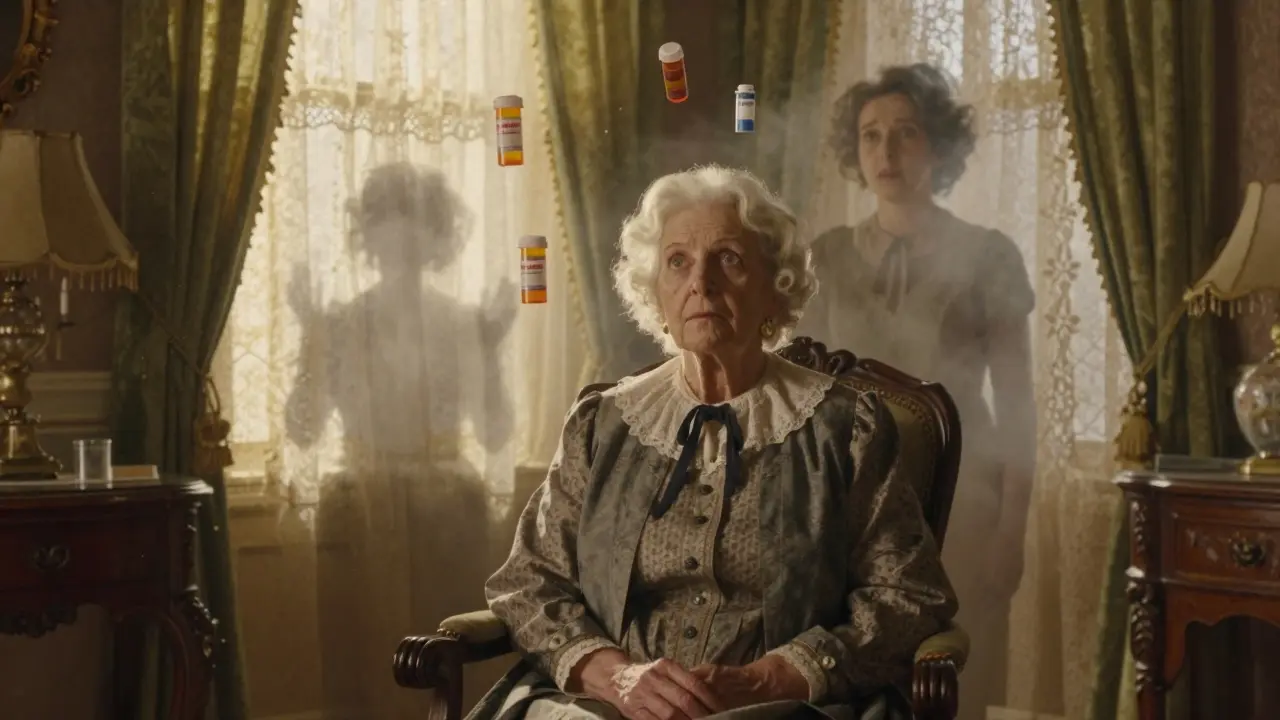
Senior Medication Safety: Protecting Older Adults from Dangerous Drug Errors
When it comes to senior medication safety, the practice of ensuring older adults use their drugs correctly to avoid harm. Also known as geriatric pharmacology, it’s not just about taking pills—it’s about preventing mistakes that can land seniors in the hospital or worse. Nearly half of all adults over 65 take five or more medications daily. That’s not unusual. But it’s dangerous if no one checks what’s in each bottle, how they interact, or whether the dose still makes sense.
One of the biggest risks? medication errors in elderly, mistakes like taking the wrong pill, doubling up, or mixing drugs that shouldn’t be combined. These aren’t rare. A study from the CDC found that over 800,000 emergency visits each year in the U.S. are caused by adverse drug events in older adults. Many of these happen because someone forgot to check the label, didn’t tell their doctor about a new supplement, or switched to a cheaper generic without knowing it could change how the drug works—like with phenytoin or digoxin.
drug interactions in seniors, when two or more medicines react badly together. are especially common because aging changes how the body processes drugs. Liver and kidney function slow down. Stomach acid drops. Muscle mass shrinks. All of this means a dose that was safe at 50 can become toxic at 75. Digoxin, for example, can build up to dangerous levels if kidney function declines—even if the dose hasn’t changed. Or take carbamazepine: it can make birth control useless, thin blood thinners, and knock out antidepressants. And if someone’s also taking Rhodiola or St. John’s Wort? That’s a recipe for serotonin syndrome.
And then there’s the label. pill label verification, the simple habit of checking the name, dose, and instructions before every single pill. Sounds basic, right? But in one survey, nearly 30% of seniors admitted they sometimes skip this step because the print is too small, the bottle looks similar to another, or they’re rushing. That’s how people end up taking valproate and lamotrigine together without knowing the risk of a life-threatening rash. Or how someone ends up swallowing a counterfeit pill laced with fentanyl because they bought it from a shady site.
Senior medication safety isn’t about being perfect. It’s about building systems that catch mistakes before they happen. It’s about knowing when to ask your pharmacist if a new drug interacts with your statin or your blood pressure pill. It’s about using tools like Medicare Extra Help to afford the right meds so you don’t skip doses. It’s about making sure your doctor knows you’re taking turmeric, magnesium, or ashwagandha—even if you think it’s "just a supplement."
What you’ll find below isn’t theory. It’s real advice from people who’ve been there: a wife who caught her husband taking two different versions of the same drug, a nurse who taught her mother to use a pill organizer with color-coded days, a pharmacist who showed a senior how to check the FDA’s Orange Book to confirm a generic was safe to switch to. These aren’t complex fixes. They’re small habits that add up to big protection.
Many seniors experience confusion and memory loss not from aging, but from medications like Benadryl or bladder drugs. Learn how to spot these side effects, use the ACB score, and reverse symptoms through safe deprescribing.
Many common medications for sleep, allergies, and bladder issues in older adults carry hidden cognitive risks. Learn how anticholinergic burden increases dementia risk-and what you can do to protect brain health.