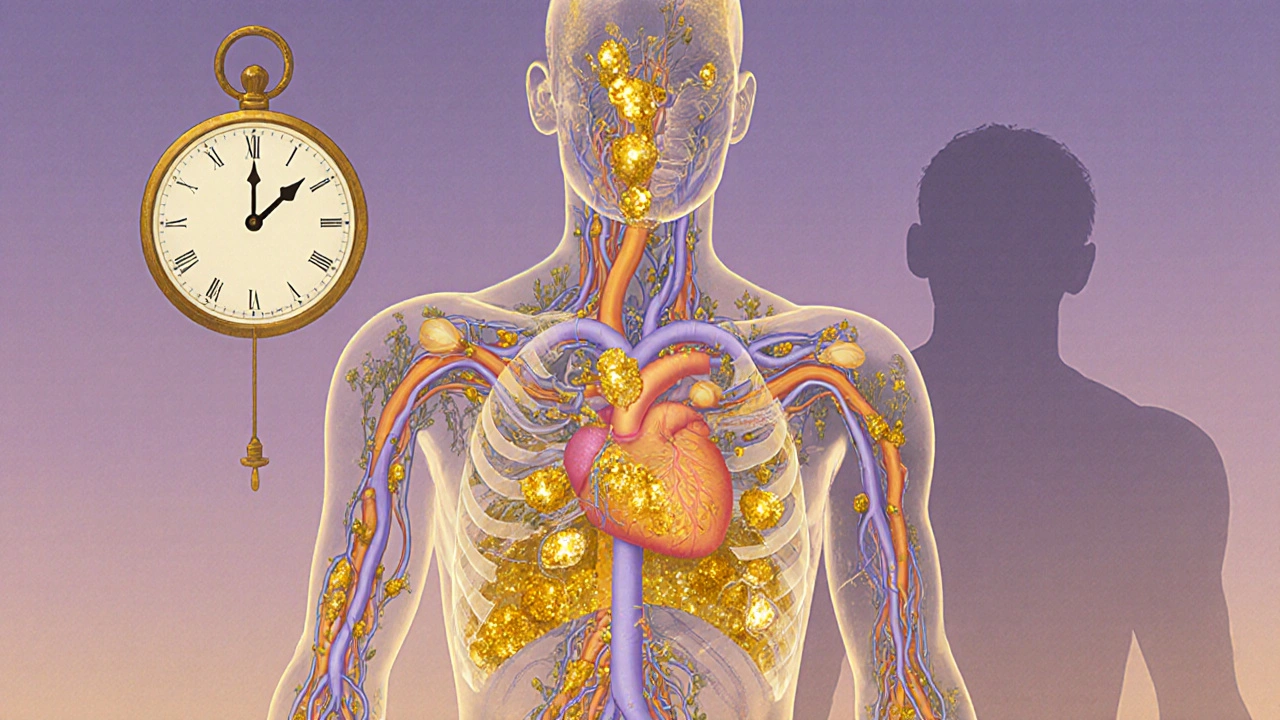
LDL Cholesterol: What It Is, Why It Matters, and How to Manage It
When doctors talk about LDL cholesterol, a type of lipoprotein that carries cholesterol through the bloodstream and is linked to artery-clogging plaque. Also known as bad cholesterol, it’s not the villain everyone thinks—but too much of it is one of the clearest warning signs for heart disease. Unlike HDL, which sweeps cholesterol away, LDL drops it right into your artery walls. Over time, that buildup narrows blood vessels, raises blood pressure, and increases your chance of a heart attack or stroke.
This isn’t just about diet. While saturated fats and trans fats push LDL up, genetics play a huge role. Some people eat clean and still have high levels. Others eat burgers daily and stay fine. That’s why checking your numbers matters more than guessing. The American Heart Association says optimal LDL is under 100 mg/dL. For someone with heart disease or diabetes, it should be under 70. If your test says 160 or higher, that’s not normal—it’s a signal to act. And it’s not just LDL. It’s often tied to triglycerides, a type of fat in the blood that spikes with sugar, alcohol, and refined carbs. High triglycerides + high LDL = double trouble for your heart.
Medications like statins lower LDL fast, but they’re not the only tool. Lifestyle changes—like swapping white bread for oats, walking 30 minutes a day, or cutting out sugary drinks—can drop LDL by 20% or more. Even losing 5% of your body weight helps. And it’s not just about pills. Many people don’t realize that metabolic syndrome, a cluster including belly fat, high blood pressure, and abnormal lipids often comes with high LDL. That’s why the same habits that fix one problem often fix the others.
You’ll find posts here that dig into how medications like statins interact with other drugs, why some generics can be risky if not monitored, and how supplements might help—or hurt—your numbers. Some articles talk about how heart failure treatments require careful lipid management. Others show how hidden toxins in fake meds can wreck your liver and throw your cholesterol off balance. There’s even one on how checking labels before every dose prevents dangerous mix-ups when you’re on multiple meds. This isn’t theory. It’s real-world advice from people managing this daily.
LDL cholesterol doesn’t care if you’re young, fit, or vegetarian. It only cares about what’s in your blood. The good news? You can control it. Not always easy, but always possible. What follows are clear, no-fluff guides on how to lower it safely, track it right, and avoid the traps that make it worse.
High cholesterol, or hypercholesterolemia, is a silent risk factor for heart disease and stroke. Learn what causes it, how to test for it, and what treatments actually work-especially for genetic forms like familial hypercholesterolemia.