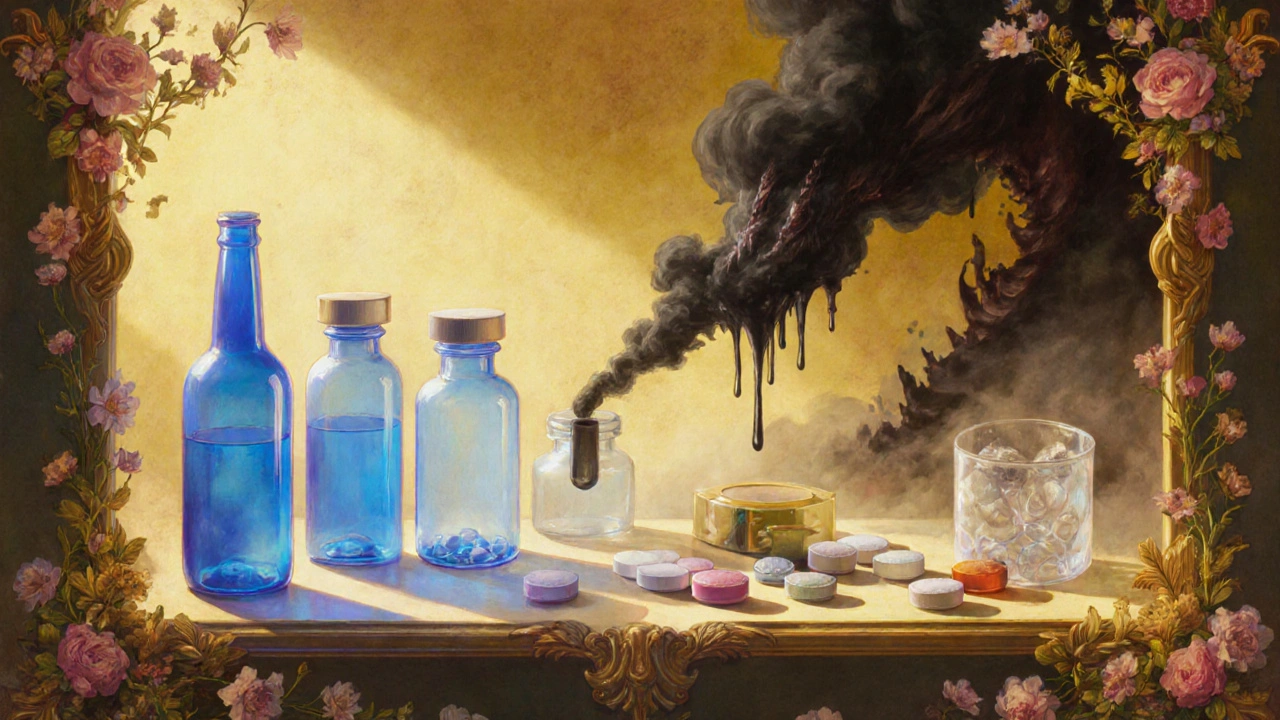
Drug Contaminants: What’s Really in Your Medication and How to Stay Safe
When you swallow a pill, you expect it to contain exactly what’s on the label. But drug contaminants, unintended substances that sneak into medications during manufacturing or storage. Also known as pharmaceutical impurities, these can include heavy metals, mold, solvents, or even other drugs. They’re not always visible, and they don’t always cause immediate reactions—but over time, they can damage your liver, trigger allergic responses, or make your treatment fail completely.
These contaminants show up more often than you think. A 2021 FDA report found traces of nitrosamines—known carcinogens—in common blood pressure meds like valsartan. Another study linked unapproved dyes in generic antibiotics to kidney stress. generic drugs, lower-cost versions of brand-name medicines approved by the FDA aren’t inherently unsafe, but their production is often outsourced globally, increasing the chance of quality control gaps. That’s why medication safety, the practice of ensuring drugs are used correctly and without harmful interference isn’t just about taking the right dose—it’s about knowing what’s actually inside the pill.
Some contaminants are accidental: leftover solvents from chemical synthesis, dust from shared equipment, or broken-down ingredients over time. Others are more alarming—like when a batch of metformin was found to contain NDMA, a probable cancer-causing agent. Even supplements and herbal products aren’t immune. The FDA has pulled dozens of weight-loss pills containing hidden stimulants and erectile dysfunction drugs that weren’t listed on the label. If you’re on long-term meds—for heart failure, epilepsy, or diabetes—these hidden substances can build up and interact dangerously with your treatment. That’s why checking labels, asking your pharmacist about sourcing, and reporting unusual side effects matters more than ever.
You don’t need to panic, but you do need to be aware. The FDA Sentinel Initiative, a real-time system that scans millions of health records to catch unsafe drugs before they spread helps, but it’s not perfect. Most contamination cases are found after people get sick. That’s why the best defense is knowing what to watch for: changes in how a medicine looks or tastes, unexplained nausea or rashes, or if a generic suddenly stops working. The posts below break down real cases—from phenytoin switches that triggered seizures to heparin batches causing deadly clots—and show you how to spot red flags before it’s too late. You’ll learn how to verify your meds, understand why some drugs are riskier than others, and what steps to take if you suspect contamination. This isn’t theoretical. It’s about making sure what’s in your bottle is what’s supposed to be there.
Counterfeit drugs aren't just ineffective-they often contain deadly toxins like fentanyl, heavy metals, and antifreeze. These contaminants cause kidney failure, organ damage, and death. Here's what you need to know to stay safe.