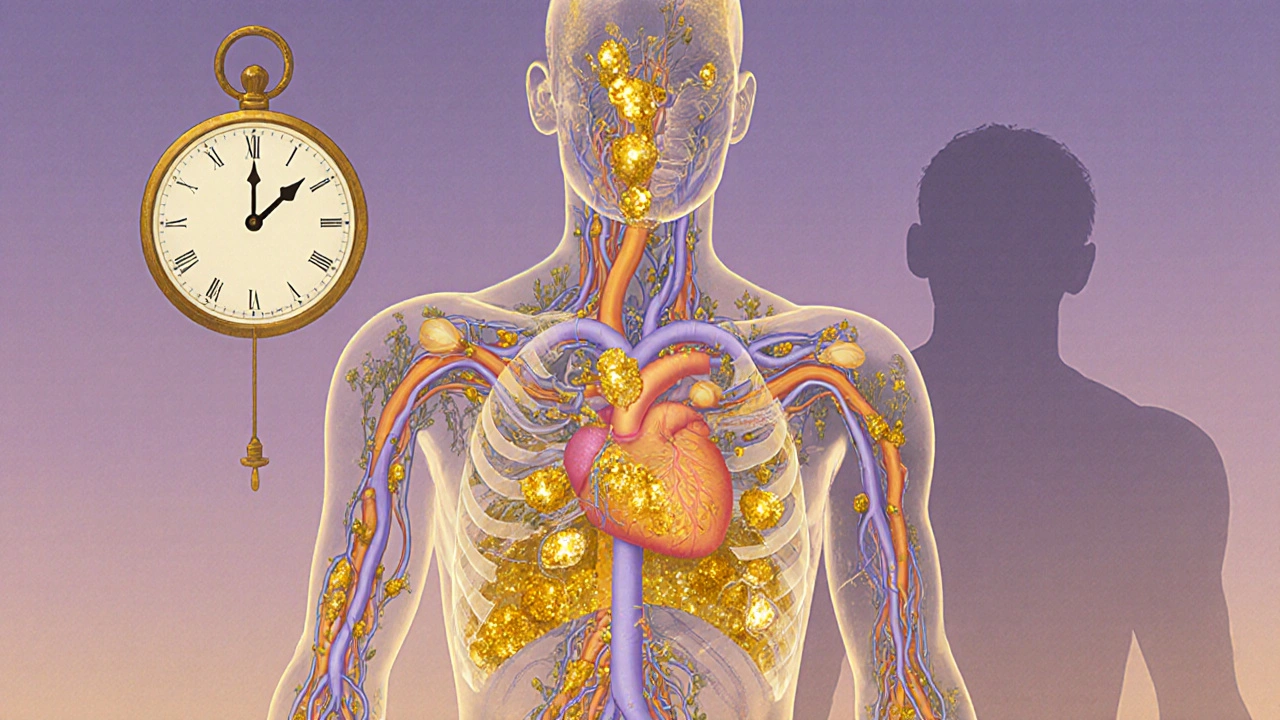
Cholesterol Management: How to Lower Bad Cholesterol and Protect Your Heart
When it comes to your heart, cholesterol management, the process of keeping blood lipid levels in a healthy range to prevent heart disease. Also known as lipid control, it’s not just about avoiding fatty foods—it’s about understanding what your body actually needs to stay protected. High levels of LDL, low-density lipoprotein, the type of cholesterol that builds up in artery walls can lead to clogged arteries, heart attacks, and strokes. But HDL, high-density lipoprotein, the "good" cholesterol that removes LDL from your bloodstream works the opposite way—it cleans up the mess. And then there’s triglycerides, a type of fat in your blood that spikes with sugar, alcohol, and refined carbs. These three numbers—LDL, HDL, and triglycerides—are the real drivers behind your heart health.
Most people think cholesterol is all bad, but your body needs it. It builds cell membranes, makes hormones, and helps digest fat. The problem isn’t cholesterol itself—it’s imbalance. Too much LDL, too little HDL, and triglycerides climbing because of daily habits like skipping movement, eating too much sugar, or not sleeping well. Studies show that even small changes—like swapping white bread for oats, walking 30 minutes a day, or cutting out sugary drinks—can drop LDL by 10-15% in just 3 months. And it’s not just about pills. Medications like statins help, but they work best when paired with real lifestyle shifts. People who manage cholesterol without drugs often do better long-term because they’re fixing the root causes, not just masking symptoms.
What you’ll find below isn’t a list of generic tips. These are real stories from people who turned their numbers around—some with diet changes, others with targeted supplements, a few with medication adjustments under doctor supervision. You’ll see how checking labels before every dose matters when you’re on cholesterol meds, why iron levels can secretly affect your lipid profile, and how certain antibiotics might interfere with your treatment. There’s also insight into how Medicare Extra Help can cut the cost of generic statins, and why switching between generic versions of certain drugs can be risky if you’re not monitored. This isn’t theory. It’s what works when you’re trying to stay healthy without losing your mind—or your wallet.
High cholesterol, or hypercholesterolemia, is a silent risk factor for heart disease and stroke. Learn what causes it, how to test for it, and what treatments actually work-especially for genetic forms like familial hypercholesterolemia.