Check Drug Labels: What You Need to Know About Ingredients, Dosages, and Safety
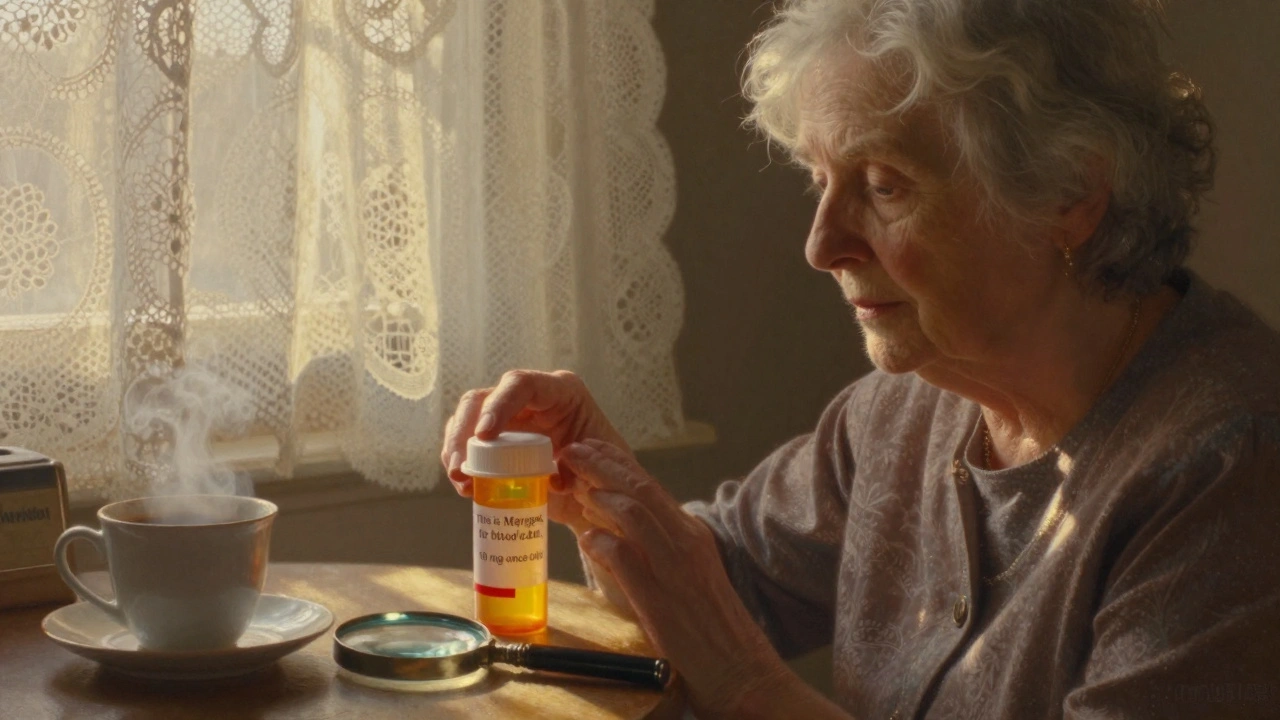
When you pick up a prescription or buy an over-the-counter pill, check drug labels, the printed information on medicine packaging that tells you what’s inside, how much to take, and what to avoid. Also known as medication labels, they’re your first and most important line of defense against mistakes, overdoses, and dangerous reactions. Most people glance at the name and dose—and skip the rest. That’s a mistake. Labels don’t just list active ingredients; they warn about interactions, storage needs, and hidden risks like allergens or counterfeit additives.
Take generic drugs, medications that contain the same active ingredient as brand-name versions but may differ in fillers, coatings, or release timing. For most people, generics work fine. But for drugs like phenytoin, an epilepsy medication with a narrow therapeutic window where tiny changes can trigger seizures or toxicity, switching brands without monitoring can be dangerous. Even small differences in how a generic dissolves can throw off your blood levels. That’s why checking labels isn’t just about reading the name—it’s about knowing if the manufacturer changed, if the formulation shifted, or if the pill looks different than last time.
And then there’s the hidden stuff. drug interactions, when one medication affects how another works in your body aren’t always obvious. A common painkiller might cancel out your blood pressure pill. A supplement like Rhodiola could mix with your antidepressant and cause serotonin syndrome. Counterfeit pills sometimes contain fentanyl, antifreeze, or heavy metals—none of which appear on the label. That’s why you must compare the label to what your doctor prescribed, check for batch numbers, and never assume a pill is safe just because it came from an online pharmacy.
Labels also tell you when to stop. Some drugs need regular blood tests. Others can’t be taken with grapefruit, alcohol, or sunlight. If your label says "take with food" and you’re taking it on an empty stomach, you might get sick—or worse, the drug won’t work. Missing these details isn’t carelessness; it’s a gap in your health literacy. And it’s one you can fix.
Below, you’ll find real stories and expert breakdowns about what happens when people ignore labels—and what happens when they pay attention. From how Medicare Extra Help affects your generic drug costs, to why iron levels change restless legs symptoms, to how heparin can cause deadly clots if you don’t watch your platelet count—each article ties back to one simple rule: check drug labels. Not once. Not when you first get the prescription. Every time you take it.
Checking medication labels before every dose is the simplest, most effective way to prevent deadly medication errors. Learn how to make this habit automatic with proven techniques that work for busy lives and aging bodies.