Medication Safety and Health Risks in November 2025: Drug Interactions, Side Effects, and Hidden Dangers
When it comes to your health, medication safety, the practice of using drugs correctly to avoid harm. Also known as drug safety, it’s not just about taking the right pill—it’s about knowing what else is in that pill, who else it might clash with, and whether it’s even real. In November 2025, our focus was on the quiet killers hiding in plain sight: fake medicines laced with fentanyl, heart drugs that turn deadly when mixed with common supplements, and side effects so rare they’re missed until it’s too late.
One of the biggest threats isn’t a new drug—it’s the old ones used wrong. drug interactions, when two or more substances affect each other’s behavior in the body. Also known as medication clashes, they’re behind half of all preventable hospital visits. Digoxin, carbamazepine, and phenytoin don’t just work differently—they actively break other drugs. A single switch in generic phenytoin can trigger a seizure. Rhodiola and antidepressants together can overload your serotonin system. Even something as simple as vitamin B6 can help arthritis pain… or make it worse if you’re already on the wrong meds.
And then there’s the fake stuff. counterfeit drugs, medications made without oversight, often containing toxic chemicals like antifreeze or heavy metals. Also known as fake medicine, they’re sold online as cheap alternatives. These aren’t just useless—they’re murder weapons disguised as pills. Heparin-induced thrombocytopenia, lactic acidosis from metformin, QT prolongation from azithromycin—these aren’t rare side effects. They’re ticking time bombs you can avoid if you know what to watch for.
What you’ll find below isn’t just a list of articles. It’s a survival guide for anyone on medication. Whether you’re managing heart failure, dealing with migraines, trying to stop hair loss, or just wondering why your doctor keeps asking about your supplements, these posts cut through the noise. They tell you what to test for, what to avoid, and when to walk away from a treatment that’s more dangerous than the condition it’s meant to fix. No fluff. No guesses. Just what you need to know before you swallow the next pill.
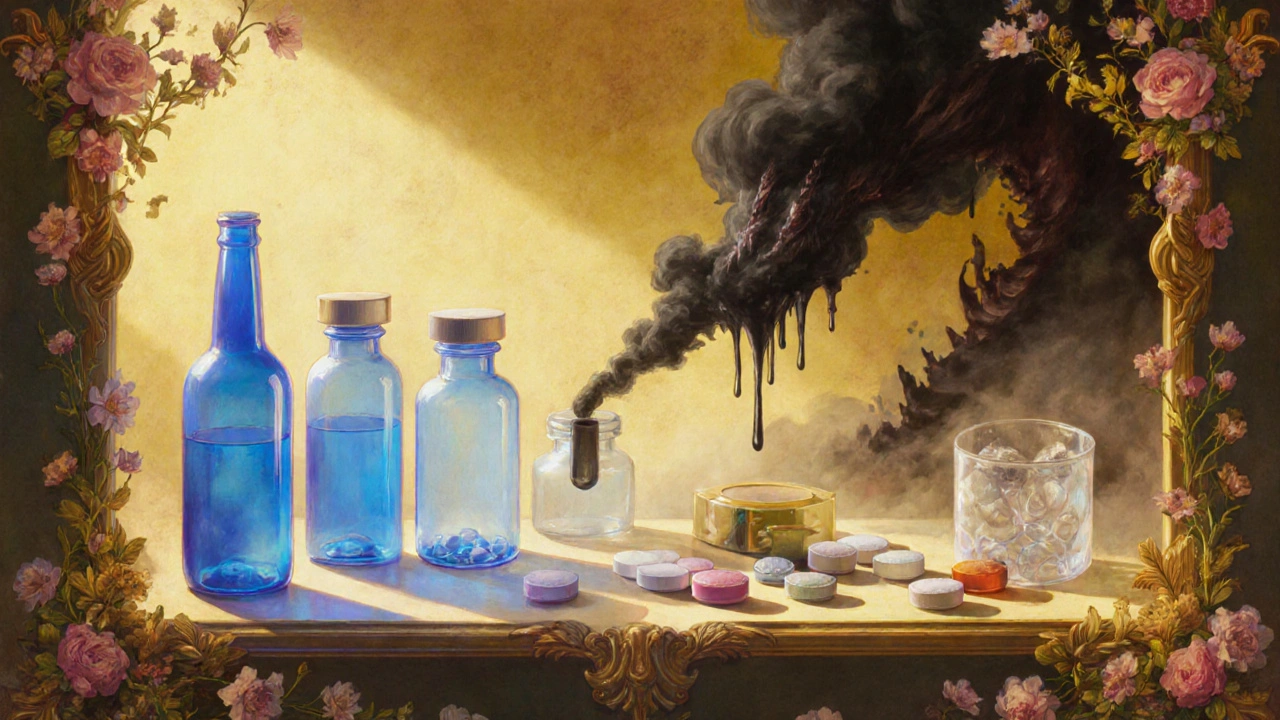
Counterfeit drugs aren't just ineffective-they often contain deadly toxins like fentanyl, heavy metals, and antifreeze. These contaminants cause kidney failure, organ damage, and death. Here's what you need to know to stay safe.
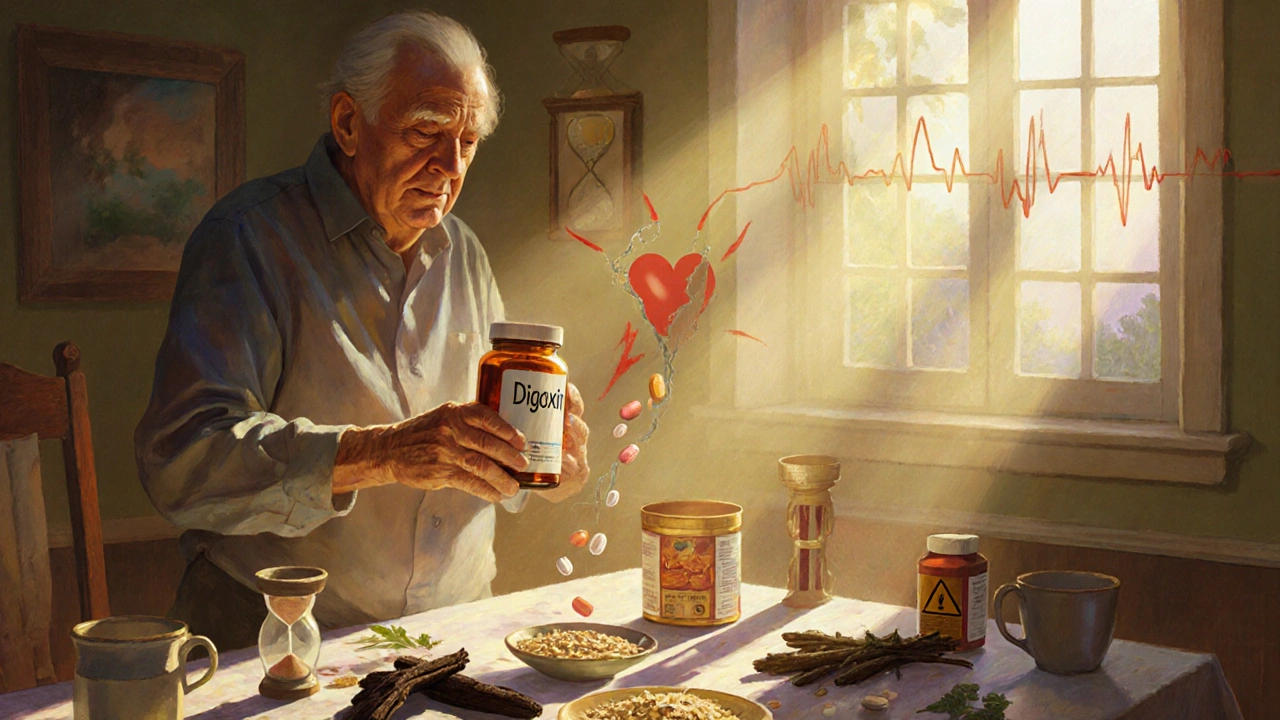
Digoxin helps manage heart failure and atrial fibrillation but has dangerous interactions with common drugs, foods, and supplements. Learn what to avoid and how to monitor for toxicity.
High cholesterol, or hypercholesterolemia, is a silent risk factor for heart disease and stroke. Learn what causes it, how to test for it, and what treatments actually work-especially for genetic forms like familial hypercholesterolemia.
Heparin-induced thrombocytopenia (HIT) is a rare but deadly side effect of heparin that causes low platelets and dangerous blood clots. Learn the signs, risks, and life-saving treatment steps.
Macrolide antibiotics like azithromycin and clarithromycin can cause dangerous heart rhythm problems by prolonging the QT interval. Learn who’s at risk, how to spot warning signs, and what safer alternatives exist.
Heart failure medications like ARNIs, beta-blockers, MRAs, and SGLT2 inhibitors save lives-but only with careful, personalized monitoring. Learn the critical checks for high-risk patients and how to avoid dangerous side effects.
Hyperparathyroidism causes high calcium, bone loss, and fatigue. Surgery is the only cure. Learn the signs, when to act, and what to expect after treatment.
Esophageal motility disorders cause dysphagia due to abnormal muscle contractions. High-resolution manometry is the key diagnostic tool, accurately identifying conditions like achalasia and jackhammer esophagus. Treatments vary by type and can restore normal swallowing.
Lactic acidosis from medications is rare but deadly. Learn which common drugs like metformin, linezolid, and albuterol can trigger this life-threatening condition - and how to spot it before it’s too late.
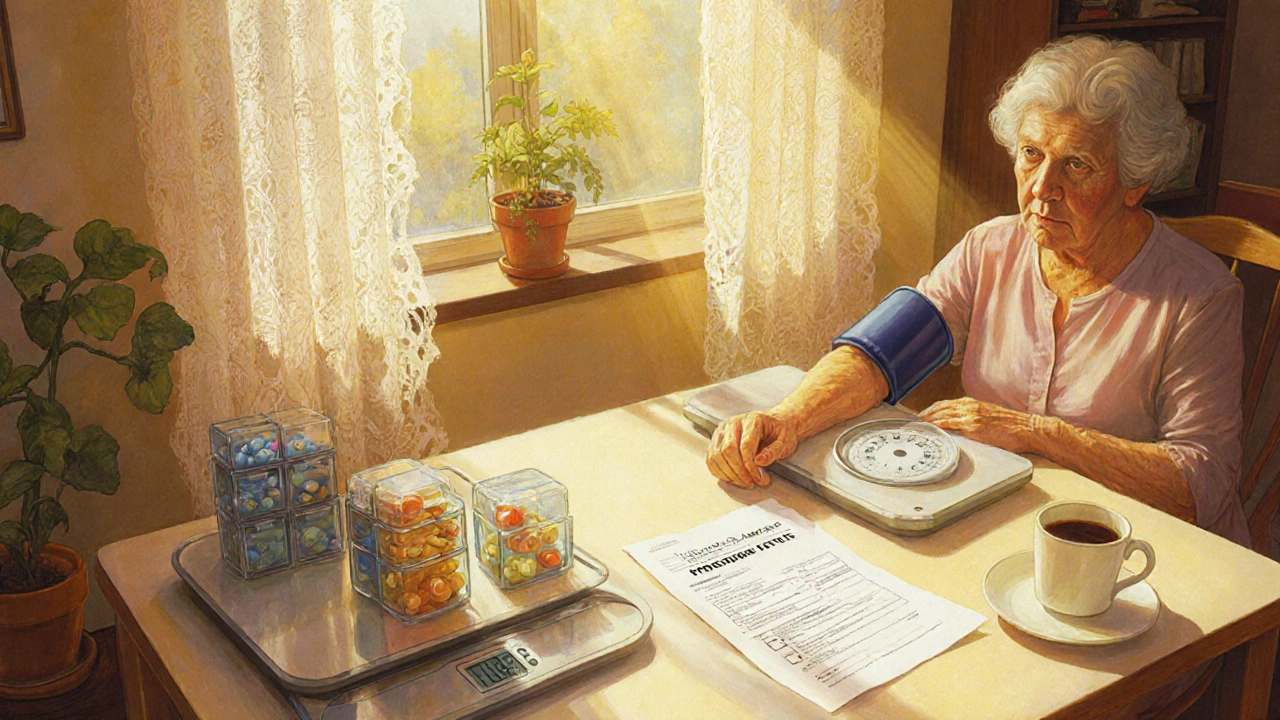
Many people take supplements and herbal remedies without telling their doctors-but this silence can be dangerous. Learn why disclosing what you're taking is critical to avoid harmful interactions and ensure safe, effective care.