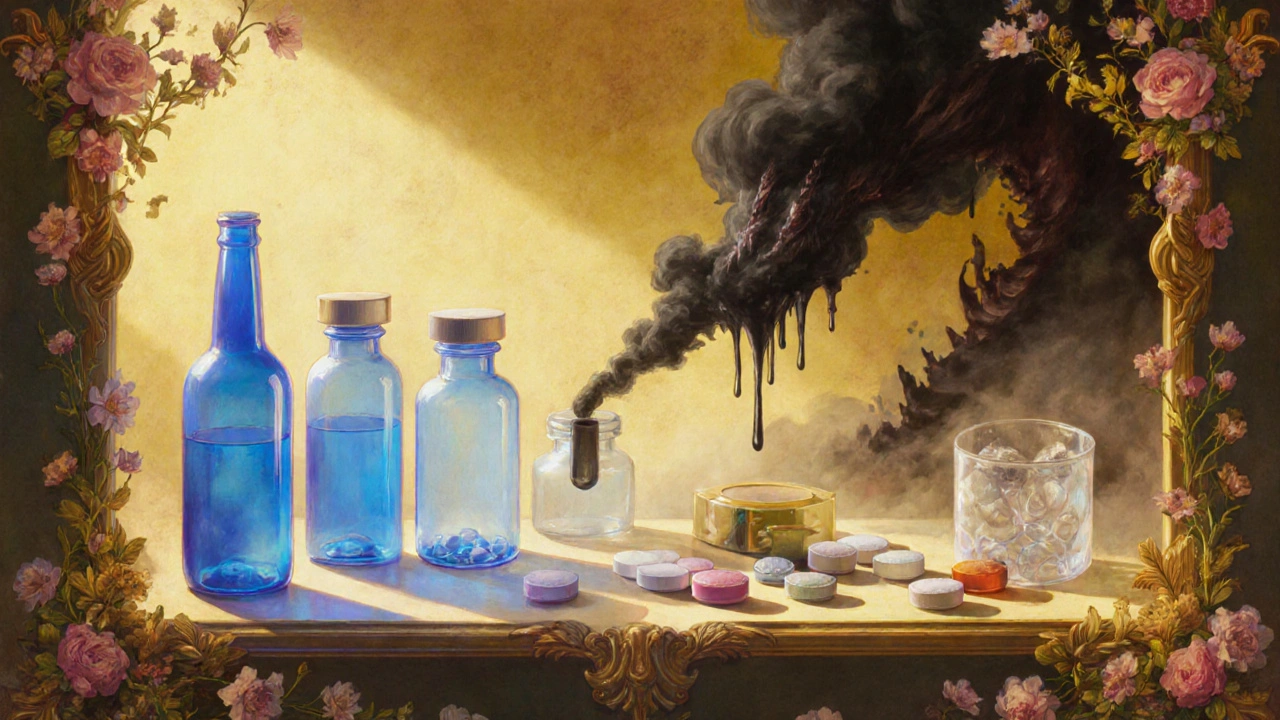
Toxic Pharmaceuticals: Dangerous Drugs, Hidden Risks, and How to Stay Safe
When we think of medicine, we expect healing—but some toxic pharmaceuticals, drugs that can cause severe harm or death when misused, interact dangerously, or accumulate in the body. Also known as dangerous medications, these substances require careful handling, precise dosing, and full awareness of side effects. It’s not about avoiding medicine—it’s about knowing which ones can turn against you if you’re not paying attention.
Many drug interactions, when two or more medications react in harmful ways inside the body are silent killers. Take digoxin, used for heart conditions—it can become deadly when combined with common antibiotics or potassium supplements. Or phenytoin, an old epilepsy drug with a razor-thin safety margin: switching generic brands without monitoring can trigger seizures or poisoning. Even something as simple as vitamin B6 or rhodiola can clash with antidepressants and cause serotonin syndrome—a life-threatening spike in brain chemicals. These aren’t rare edge cases. They happen every day because people don’t know what they’re taking, or they forget to tell their doctor about supplements.
medication errors, mistakes in prescribing, dispensing, or taking drugs are the third leading cause of death in the U.S. Most aren’t from bad doctors—they’re from busy patients skipping label checks, mixing old and new prescriptions, or assuming generics are always identical. That’s why checking every pill bottle before you swallow isn’t just good advice—it’s a survival habit. And it’s not just about pills. IV heparin, used in hospitals, can cause a rare but deadly condition called HIT, where your blood starts clotting instead of flowing. Metformin, a common diabetes drug, can trigger lactic acidosis in people with kidney issues. These aren’t theoretical risks. They’re documented, preventable, and happening right now.
What makes this even more dangerous is how little most people know about the drugs they take. You might think your insurance covers everything, but long-term care plans often leave gaps in drug coverage. Medicare Extra Help can cut costs, but only if you apply. Authorized generics sound safer, but they’re still the same drug under a different label—sometimes with different fillers that change how your body reacts. The FDA uses big data to catch these issues after the fact, but by then, people are already hurt. The real protection isn’t in government systems—it’s in you knowing what you’re taking, why you’re taking it, and who to tell when something feels off.
What You’ll Find Here
This collection isn’t about scare tactics. It’s about real, practical knowledge from people who’ve seen the damage—and learned how to stop it. You’ll find guides on how to check labels like a pro, why iron levels affect restless legs, how to spot the warning signs of QT prolongation from antibiotics, and why disclosing every supplement to your doctor isn’t optional—it’s life-saving. You’ll learn how to navigate Medicare gaps, understand why some generics aren’t interchangeable, and recognize the red flags of toxicity before it’s too late. These aren’t abstract theories. They’re lessons from real cases, backed by research, and written for people who just want to stay safe while taking the meds they need.
Counterfeit drugs aren't just ineffective-they often contain deadly toxins like fentanyl, heavy metals, and antifreeze. These contaminants cause kidney failure, organ damage, and death. Here's what you need to know to stay safe.