
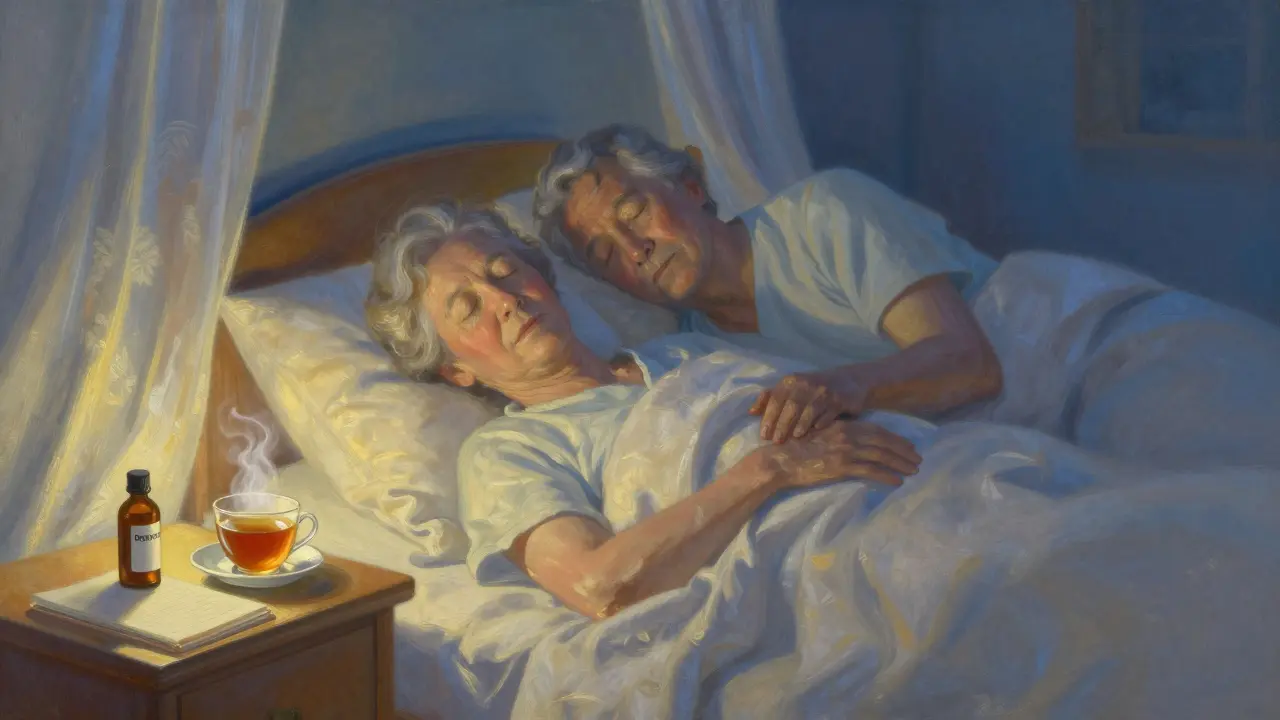
More than half of adults over 65 struggle with sleep. Some nights, it’s hard to fall asleep. Other nights, they wake up too early and can’t get back down. It’s not just annoyance-it’s a health risk. Poor sleep in seniors is linked to memory problems, falls, depression, and even a higher chance of dementia. So it’s no surprise that many turn to sleep medications. But here’s the problem: many of the pills doctors used to prescribe for sleep are now known to be more dangerous than helpful for older adults.
Why Most Sleep Pills Are Risky for Seniors
The body changes as we age. The liver and kidneys don’t process drugs the same way they did in your 30s or 40s. That means a pill that clears out of a younger person’s system in a few hours might still be floating in an older adult’s bloodstream the next morning. That’s why a common sleep aid like zolpidem (Ambien) can leave someone dizzy, confused, or unsteady on their feet-making falls far more likely. In fact, studies show seniors on these drugs have up to a 30% higher risk of falling, and falls are the leading cause of injury and death in this age group.The Beers Criteria: What Drugs to Avoid
In 1991, the American Geriatrics Society created the Beers Criteria-a list of medications that are risky for older adults. It’s been updated regularly, and the 2019 version is clear: avoid benzodiazepines and Z-drugs as first-line treatments for insomnia. That includes drugs like diazepam (Valium), lorazepam (Ativan), triazolam (Halcion), and zolpidem (Ambien). These drugs don’t just cause drowsiness. They can lead to memory loss, confusion, slowed breathing, and even hallucinations. A 2014 study in the BMJ found that long-term use of benzodiazepines increased the risk of Alzheimer’s disease by 51%. For those taking them for over six months, the risk jumped to 84%.What’s Safer? Newer Options With Better Profiles
Not all sleep meds are created equal. Some newer options have much lower risks. Low-dose doxepin (Silenor), for example, is an antidepressant used at tiny doses-just 3 to 6 mg-for sleep. Unlike older drugs, it doesn’t interfere with memory or balance. A 2010 study showed it improved total sleep time by nearly 30 minutes with almost no next-day grogginess. Ramelteon (Rozerem) is another option. It works by mimicking melatonin, the body’s natural sleep hormone, and doesn’t affect the same brain receptors as sedatives. It reduces the time it takes to fall asleep by about 14 minutes and has no risk of dependence or withdrawal.The New Frontier: Orexin Antagonists
The most promising class of newer sleep meds for seniors are the orexin receptor antagonists. These include lemborexant (Dayvigo) and suvorexant (Belsomra). Instead of shutting down the brain like benzodiazepines do, they gently quiet the brain’s wakefulness signals. A 2021 study in JAMA Internal Medicine found that lemborexant caused less postural instability than zolpidem in adults over 55. That’s huge. It means fewer trips to the ER from falls. Lemborexant also showed better cognitive test scores compared to zolpidem in a 2020 Sleep Medicine study. The downside? Cost. Lemborexant can run over $400 a month without insurance. Generic zolpidem? Around $15. But when safety is the priority, the price difference becomes a trade-off worth considering.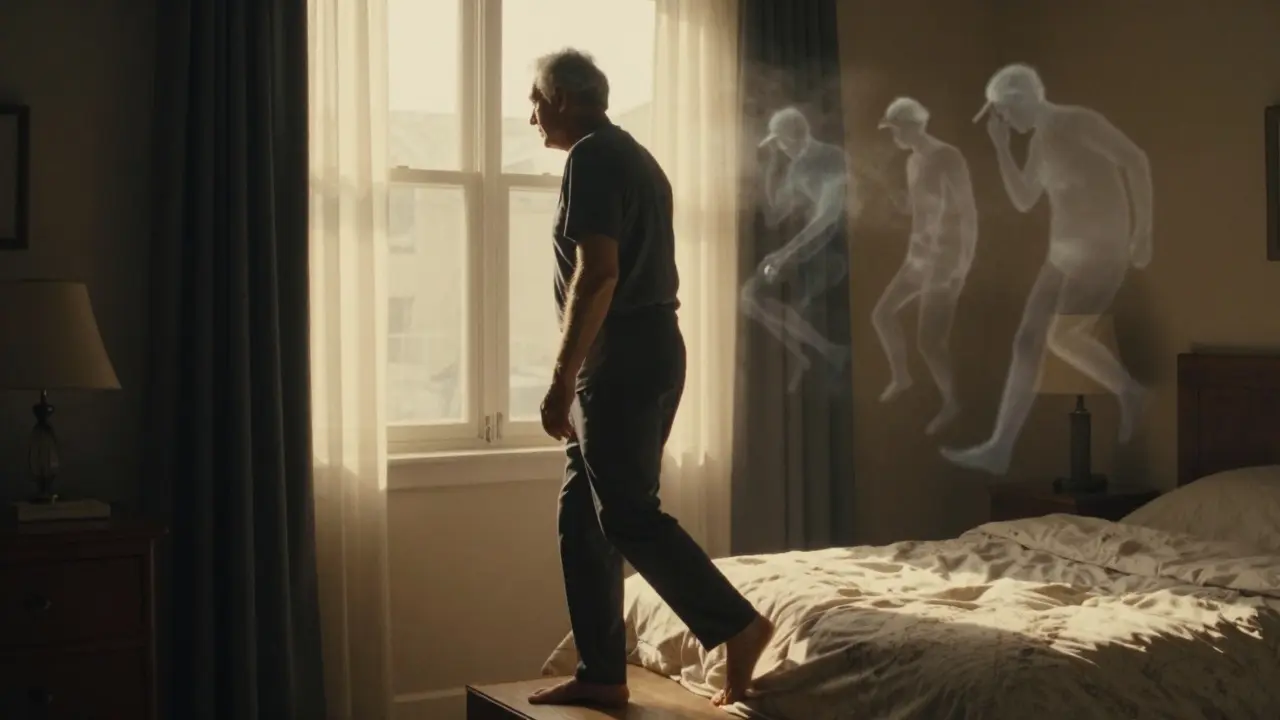
Why CBT-I Is the Real Game-Changer
The American Academy of Sleep Medicine says it plainly: cognitive behavioral therapy for insomnia, or CBT-I, should be the first treatment for chronic insomnia in older adults-not a pill. CBT-I isn’t about pills. It’s about changing habits. It teaches you how to associate your bed with sleep, not worry. It helps you stop lying awake for hours, frustrated. It uses techniques like sleep restriction (limiting time in bed to match actual sleep) and stimulus control (getting out of bed if you’re not sleeping). A 2019 study in JAMA Internal Medicine showed that when CBT-I was delivered via telehealth to seniors, 57% saw their insomnia go into remission. And 89% stuck with it. That’s better than any drug’s adherence rate.Real Stories: What Seniors Are Saying
On Reddit, one daughter wrote: “My mom broke her hip after taking Ambien. We didn’t know it could do that.” Another user on AgingCare.com shared: “After six weeks of CBT-I, I cut my Lunesta in half. Now I sleep better than I have in 20 years.” A 69-year-old woman in a Patient.info forum said: “I tried everything-trazodone, melatonin, zolpidem. Only 3mg of doxepin worked without making me feel like a zombie the next day.” But cost keeps coming up. One person wrote: “Ramelteon helped, but I had to stop because it cost $400 a month.” These aren’t just anecdotes. A 2022 National Sleep Foundation survey found 68% of seniors on sleep meds had at least one side effect. Nearly half felt daytime drowsiness. Almost a third felt dizzy. One in five reported memory issues.Deprescribing: How to Safely Stop Sleeping Pills
If you’ve been on a sleep medication for months or years, quitting cold turkey can backfire. Rebound insomnia-worse sleep than before-is common. The STOPP/START criteria recommend tapering off slowly. For benzodiazepines or Z-drugs, that means reducing the dose by 10-25% every one to two weeks over four to eight weeks. Work with your doctor. Don’t just stop. Keep a sleep diary during the taper. Note how you feel in the morning. Are you steadier on your feet? Clearer-headed? That’s the goal. Many seniors who taper off report better sleep quality within a few months-not because they’re on a pill, but because their natural rhythm returns.
What You Can Do Today
You don’t have to wait for a doctor’s appointment to start improving sleep. Here’s what works right now:- Get sunlight within an hour of waking. Even 15 minutes helps reset your body clock.
- Avoid caffeine after 2 p.m. It stays in your system longer as you age.
- Keep your bedroom cool, dark, and quiet. Use blackout curtains if needed.
- Don’t nap after 3 p.m. Short naps before then are fine, but late naps mess with nighttime sleep.
- Move your body during the day-walking, stretching, light yoga. Just 30 minutes helps.
- Use your bed only for sleep and sex. No TV, no phone, no reading in bed.
The Future of Sleep for Seniors
The tide is turning. The FDA now requires black box warnings on Z-drugs for next-day impairment. Medicare’s ‘Choosing Wisely’ program has cut inappropriate benzodiazepine prescriptions in nursing homes by 24% since 2019. Digital CBT-I apps like Sleepio now show results matching in-person therapy, with 63% of seniors reporting improved sleep in a 2023 study. The National Institutes of Health is investing $15 million in senior sleep safety research through 2025. Experts agree: the future isn’t more pills. It’s personalized, non-drug strategies tailored to each person’s health, lifestyle, and risk factors.Are sleep medications safe for seniors?
Most traditional sleep medications-like benzodiazepines and Z-drugs-are not considered safe as first-line treatments for seniors. They increase the risk of falls, confusion, memory problems, and even dementia. Newer options like low-dose doxepin, ramelteon, and lemborexant have better safety profiles, but even these should be used cautiously and only after non-drug approaches are tried.
What is CBT-I and why is it recommended for seniors?
CBT-I stands for Cognitive Behavioral Therapy for Insomnia. It’s a structured, short-term program that helps retrain your brain and body to sleep better without drugs. It includes techniques like sleep restriction, stimulus control, and changing negative thoughts about sleep. Studies show it’s as effective or more effective than medication for seniors, with longer-lasting results and zero side effects. Telehealth CBT-I has a 57% success rate in older adults.
Can I stop my sleep medication cold turkey?
No. Stopping suddenly, especially after long-term use, can cause rebound insomnia, anxiety, or even seizures with benzodiazepines. Always work with your doctor to create a gradual taper plan. Reducing the dose by 10-25% every one to two weeks over several weeks is the safest approach. Keep a sleep journal to track progress and symptoms.
What are the safest sleep aids for seniors?
The safest options are non-drug approaches like CBT-I. If medication is needed, the lowest effective dose of ramelteon (8mg), low-dose doxepin (3-6mg), or lemborexant (5mg) are preferred. Melatonin (2-5mg) may help some people, but evidence is mixed. Avoid benzodiazepines, triazolam, and zolpidem unless absolutely necessary and closely monitored.
Why do seniors need different sleep meds than younger people?
As we age, our liver and kidneys process drugs more slowly. That means medications stay in the body longer, increasing the risk of next-day drowsiness, confusion, and falls. Older adults also have more sensitive brain receptors and are more likely to have other health conditions or take other medications that can interact. What’s safe for a 40-year-old can be dangerous for a 75-year-old.
Is melatonin safe for seniors?
Melatonin is generally safer than prescription sleep aids, but it’s not a magic fix. Studies show it may help seniors fall asleep slightly faster, but it doesn’t necessarily improve sleep quality or total sleep time. Doses of 2-5mg are typically used. Some seniors report vivid dreams or morning grogginess. It’s best used as a short-term tool, not a daily solution. Always check with your doctor, especially if you take blood thinners or have autoimmune conditions.
Next Steps: What to Do Now
If you or a loved one is on a sleep medication:- Don’t stop abruptly. Talk to your doctor about tapering.
- Ask if CBT-I is available through your health plan or local clinic. Many Medicare Advantage plans now cover it.
- Review all medications with a pharmacist. Many seniors take five or more drugs-some may be contributing to sleep problems.
- Start small with sleep hygiene: get morning light, cut caffeine after noon, keep the bedroom cool.
- Consider a sleep diary for two weeks. Note when you go to bed, wake up, and how you feel in the morning. Bring it to your next appointment.


