
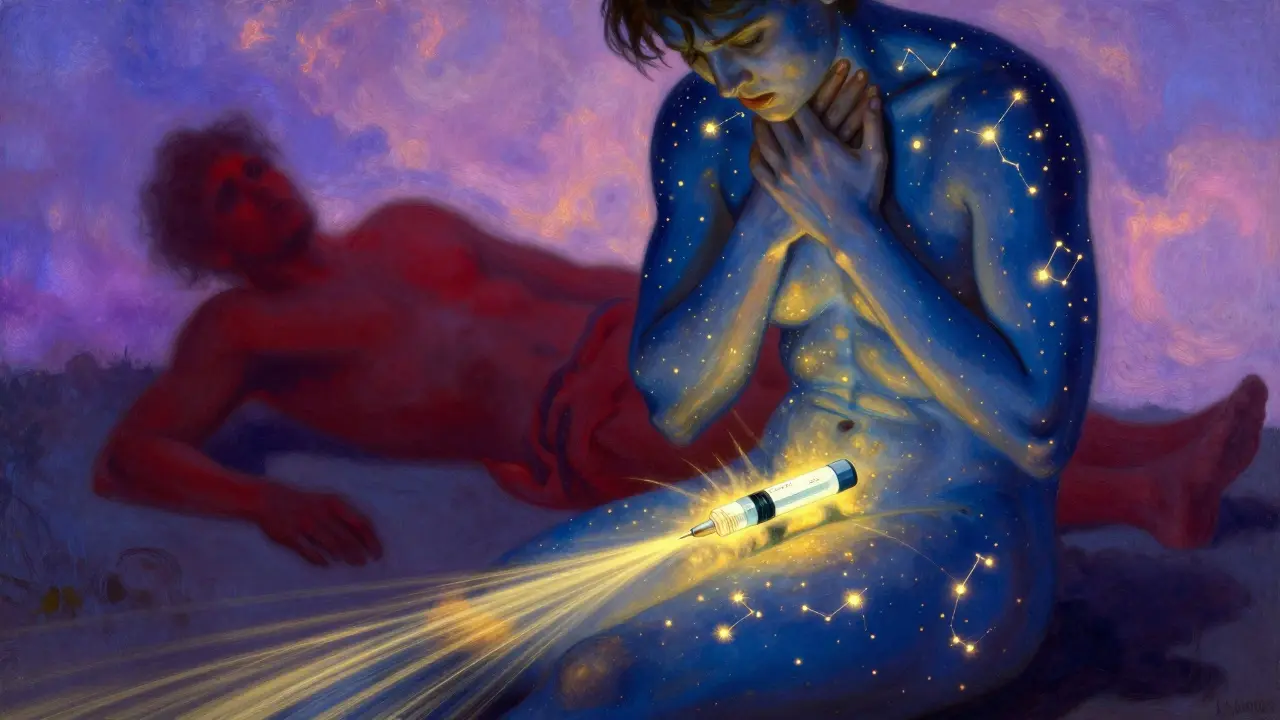
Medications save lives. But sometimes, they can turn deadly-fast. If you or someone you care about starts having trouble breathing, swelling up, or breaking out in a rash that spreads like wildfire, don’t wait. These aren’t just side effects. They’re signs of a severe adverse drug reaction (ADR), and every minute counts.
What Makes a Drug Reaction Severe?
Not all reactions are the same. A stuffy nose after taking penicillin? That’s mild. But if your throat starts closing, your blood pressure drops, or your skin begins peeling off in sheets, that’s an emergency. The U.S. Food and Drug Administration defines a serious adverse reaction as one that causes death, is life-threatening, requires hospitalization, leads to permanent damage, or causes disability. These aren’t rare outliers-they happen more often than you think.Three types of drugs cause the most severe reactions: anticoagulants (like warfarin), diabetes medications (especially insulin), and opioids (like morphine or oxycodone). But even common drugs like antibiotics, NSAIDs, and contrast dyes used in imaging scans can trigger deadly reactions in susceptible people.
Anaphylaxis: The Silent Killer
Anaphylaxis is the most urgent drug reaction. It can start within minutes of taking a pill or getting an injection. You might notice hives, swelling of the lips or tongue, wheezing, dizziness, or a sudden feeling of doom. Your skin might feel warm, then cold and clammy. Blood pressure plummets. You can’t catch your breath. This isn’t just an allergic reaction-it’s your body going into full shock.Left untreated, anaphylaxis kills. About 0.3% to 1% of cases end in death, according to the Resuscitation Council UK. But here’s the good news: it’s treatable-if you act fast. Epinephrine is the only thing that stops it. Not antihistamines. Not steroids. Not breathing into a paper bag. Epinephrine, injected into the outer thigh, reverses the reaction in seconds. Delay it by even five minutes, and survival rates drop sharply.
People with known severe allergies are often given an epinephrine auto-injector (like an EpiPen). But many don’t use it when they should. Don’t wait for the rash to get worse. Don’t wait to see if it’s "just a bad reaction." If you have trouble breathing, swelling, or dizziness after taking any medication, use the injector immediately-and call 911. Even if you feel better after the shot, you still need emergency care. Rebound reactions can happen hours later.
Stevens-Johnson Syndrome and Toxic Epidermal Necrolysis: Skin That Melts
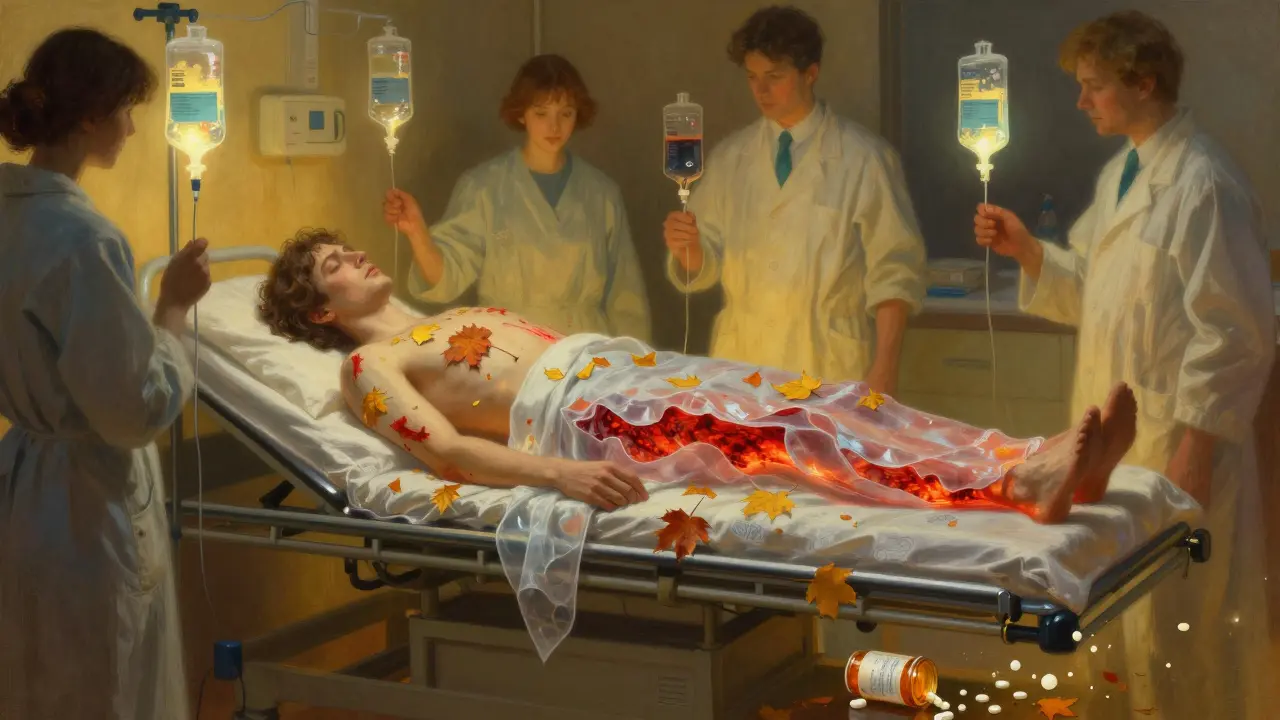
Some reactions don’t hit you in the lungs-they eat your skin. Stevens-Johnson Syndrome (SJS) and Toxic Epidermal Necrolysis (TEN) are rare but devastating. They usually start with flu-like symptoms: fever, sore throat, burning eyes. Then, within days, a painful red rash spreads. Blisters form. Your skin starts peeling off in sheets, like a bad burn. Mucous membranes in your mouth, eyes, and genitals can ulcerate.TEN affects more than 30% of your body surface. SJS affects less than 10%. Both are medical emergencies. Mortality for SJS is around 10%. For TEN, it’s 30% to 50%. These aren’t just skin deep-they damage your organs, your immune system, your ability to fight infection.
There’s no home treatment. No cream. No pill. You need to be in a burn unit, under specialist care, with IV fluids, pain control, and infection prevention. The drug that caused it must be stopped immediately. Common culprits include antibiotics like sulfonamides, anticonvulsants like carbamazepine, and painkillers like allopurinol.
If you notice your skin blistering or peeling after starting a new medication, go to the ER. Don’t wait for your doctor’s appointment. Don’t call your pharmacist. Go now.
Other Dangerous Reactions You Can’t Ignore
There are other severe reactions that don’t get as much attention but are just as deadly:- DRESS (Drug Reaction with Eosinophilia and Systemic Symptoms): Starts 2 to 6 weeks after taking a drug. Fever, rash, swollen lymph nodes, and organ damage-especially liver or kidneys. Often triggered by anticonvulsants or allopurinol. Can lead to long-term organ failure.
- Hemolytic anemia: Your immune system attacks your own red blood cells. Causes extreme fatigue, dark urine, jaundice. Linked to drugs like penicillin or methyldopa.
- Severe low blood sugar: From insulin or sulfonylureas. Can cause confusion, seizures, coma. If you’re diabetic and suddenly feel shaky, sweaty, and disoriented, take glucose immediately. If you don’t improve in 10 minutes, call 911.
- Bleeding from anticoagulants: Warfarin, rivaroxaban, apixaban can cause internal bleeding. Signs: vomiting blood, black stools, sudden severe headache, unexplained bruising. This is a stroke or hemorrhage waiting to happen.
What to Do When It Happens
There’s no time for guesswork. Here’s your emergency action plan:- Stop the drug immediately. Don’t wait to talk to your doctor. If you suspect the reaction came from a new medication, take it away from the person.
- Call emergency services. Don’t drive yourself. Don’t wait for someone else to call. Dial 911 or your local emergency number right away.
- Use epinephrine if available. If you have an auto-injector and symptoms match anaphylaxis-swelling, breathing trouble, dizziness-use it now. Inject into the outer thigh. Even if you’re unsure, it’s safer to use it than to wait.
- Stay calm and lie down. Elevate your legs if you’re dizzy. Don’t stand up. Keep airways open. If someone is unconscious and not breathing, start CPR.
- Bring the medication. When help arrives, give them the pill bottle or packaging. This saves critical minutes in diagnosis.
Even if you survive, you’ll need follow-up care. Allergy testing, skin biopsies, blood work-these help identify the trigger so you never take it again. Many people develop lifelong allergies after one severe reaction.
Prevention Is Possible
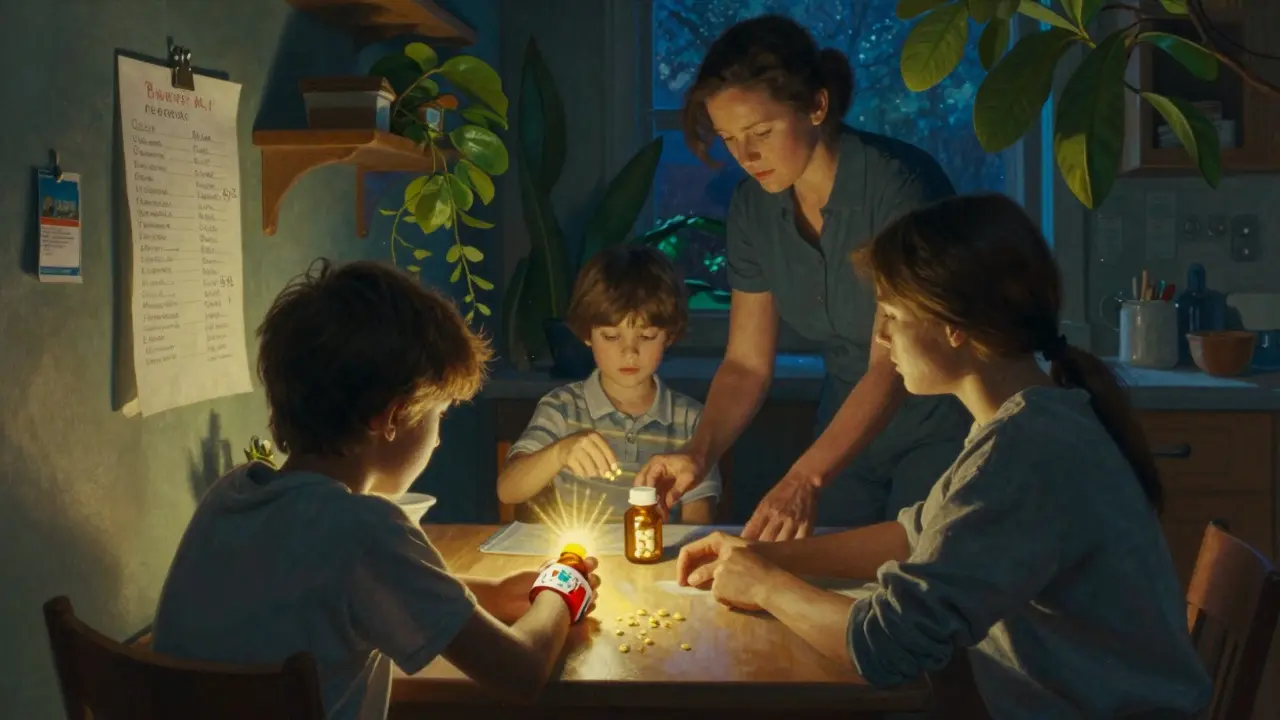
You can reduce your risk:- Always tell every doctor and pharmacist about every drug you’ve ever had a reaction to-even if it was years ago.
- Keep a written list of your drug allergies and reactions. Carry it in your wallet or save it on your phone.
- If you’ve had a severe reaction before, ask your doctor about carrying epinephrine. Get trained on how to use it. Practice with a trainer pen.
- Don’t assume a drug is safe just because it’s "similar" to one you took before. Cross-reactivity happens. For example, if you reacted to penicillin, you might also react to amoxicillin.
- Watch for delayed reactions. Some serious skin reactions appear weeks after starting a drug. Don’t ignore a new rash just because you’ve been taking the medicine for a while.
Reporting Saves Lives
If you or someone you know has a severe reaction, report it. The FDA and global systems like EudraVigilance collect these reports to spot dangerous patterns. One person’s experience can lead to a drug warning, a label change, or even a withdrawal from the market. You’re not just protecting yourself-you’re protecting others.Can a drug reaction happen even if I’ve taken it before without problems?
Yes. Your immune system can change over time. A drug you took safely last year might trigger a severe reaction this year. That’s why you should never assume you’re "immune" to a reaction just because you’ve used the drug before.
Is it safe to take antihistamines like Benadryl instead of epinephrine for anaphylaxis?
No. Antihistamines may help with itching or hives, but they do not stop airway swelling, low blood pressure, or shock. Epinephrine is the only treatment that reverses the life-threatening effects of anaphylaxis. Delaying epinephrine increases the risk of death.
What should I do if I’m not sure whether my reaction is serious?
When in doubt, treat it as serious. If you have any combination of rash + breathing trouble, swelling, dizziness, vomiting, or confusion after taking a drug, go to the emergency room. It’s better to be checked out than to risk missing a deadly reaction.
Can children have severe drug reactions too?
Absolutely. Children are just as vulnerable as adults. Antibiotics, pain relievers, and vaccines can trigger anaphylaxis or skin reactions in kids. If your child develops sudden swelling, trouble breathing, or a spreading rash after taking medicine, seek emergency help immediately.
How long after taking a drug can a severe reaction occur?
It depends on the reaction. Anaphylaxis usually happens within minutes to two hours. Skin reactions like SJS or DRESS can take days or even weeks to appear. Never assume you’re safe just because the reaction didn’t happen right away.
Are natural supplements safe from causing severe reactions?
No. Many people assume "natural" means safe, but herbal supplements, vitamins, and CBD products can trigger severe reactions. For example, echinacea has caused anaphylaxis. Kava has caused liver failure. Always treat supplements like real drugs-they can interact, overload your system, or trigger immune responses.
What Comes Next
If you’ve survived a severe reaction, your life changes. You’ll need to carry epinephrine. You’ll need to wear a medical alert bracelet. You’ll need to educate your family, coworkers, and even your dentist about your allergies. It’s overwhelming-but manageable.Every year, thousands of people die from drug reactions that could have been prevented. The difference between life and death often comes down to one thing: knowing when to act. You don’t need to be a doctor to recognize the signs. You just need to know that when your body screams for help, you don’t wait for permission-you respond.


