
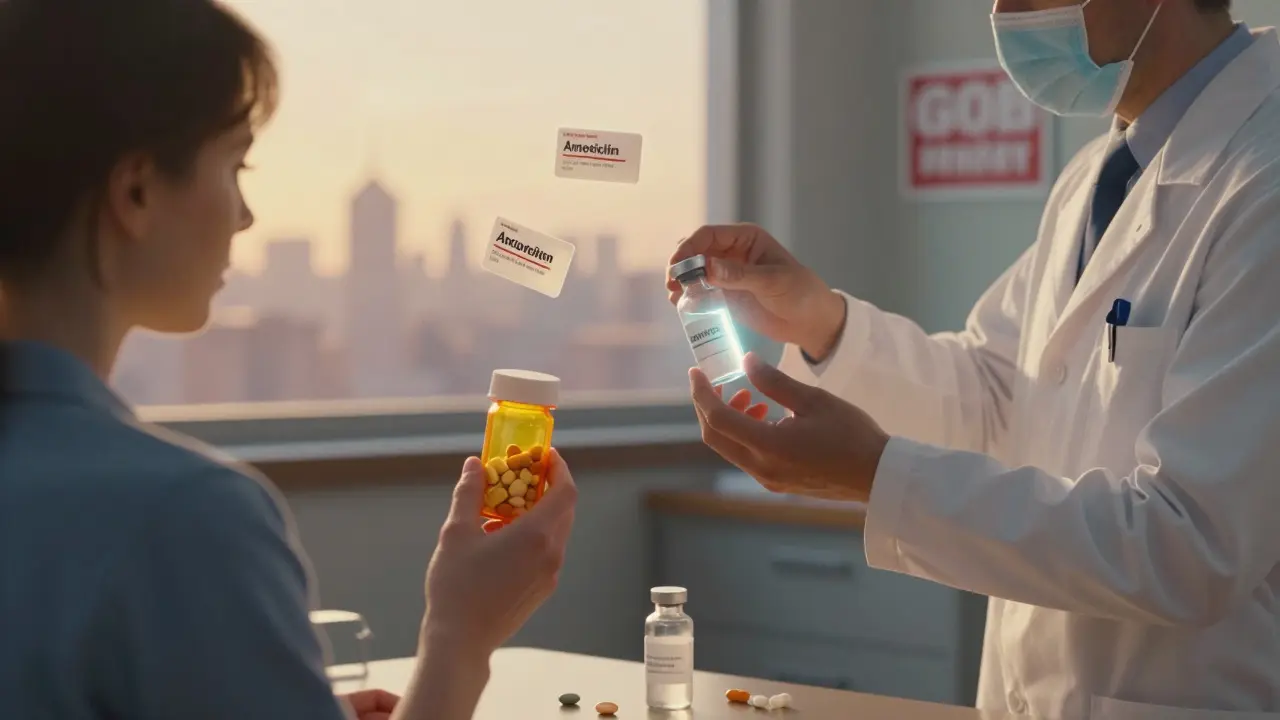
When your prescription runs out and no pharmacy has it in stock, it’s not just inconvenient-it’s dangerous. Drug shortages aren’t rare anymore. In 2025 alone, over 250 different active ingredients were in short supply across the U.S. and Australia, with many lasting more than two years. You might be waiting for insulin, antibiotics, or even basic painkillers like acetaminophen injections. And when that happens, you don’t just need to wait-you need a plan.
Why Drug Shortages Happen
It’s not one thing. It’s a chain of failures. Most generic drugs are made by just five companies. If one factory has a quality issue-a dirty machine, a power outage, a failed inspection-the whole supply breaks. The FDA started inspecting these facilities monthly in early 2025, which helped cut new shortages by 15%, but it doesn’t fix what’s already gone.Manufacturers also quit making drugs that aren’t profitable. If a pill costs 10 cents to make and sells for 25 cents, there’s no incentive to keep producing it. Meanwhile, demand keeps rising. Insulin, for example, is used by over 10 million Americans and millions more globally. When one brand runs out, others can’t suddenly scale up.
What You Can Do Right Now
Don’t panic. Don’t skip doses. Don’t try to stretch your pills. Here’s what actually works.- Check the FDA Drug Shortage Database-it’s free, updated daily, and lists current shortages along with approved alternatives. For example, if Semglee (a biosimilar insulin) is out, Lantus is often a direct substitute without needing a new prescription.
- Call multiple pharmacies, including mail-order services. One patient in Canberra spent three days calling seven pharmacies before finding Semglee. Don’t assume the big chains have it. Smaller independents or hospital pharmacies often have stock.
- Contact your pharmacist. Over 89% of major pharmacy chains now have dedicated shortage support teams. They know which alternatives are covered by your insurance, which ones need prior authorization, and which ones are safe to switch.
- Ask your doctor about therapeutic alternatives. If amoxicillin is unavailable, azithromycin might work-but it’s not the same. It has different side effects and can contribute to antibiotic resistance. Your doctor can weigh the risks.
- Check with the manufacturer. Companies like Pfizer and Eli Lilly often post updates on their websites. During the amoxicillin shortage, Pfizer gave exact timelines for when production would resume. That helped families plan.
What Counts as a Safe Alternative?
Not all substitutes are equal. There are three types:- Biosimilars-like Semglee and Lantus. These are nearly identical to the original drug. Switching doesn’t require a new prescription in many cases.
- Therapeutic equivalents-drugs in the same class that treat the same condition. For example, if you’re on metformin and it’s short, glipizide might be used instead. But dosage changes are often needed.
- Foreign-approved drugs-Hawaii’s Medicaid program started allowing these in 2025. Some European or Canadian versions of drugs are approved in other countries and may be safer than going without. But they’re not always legal in the U.S. or Australia without special permission.
Insulin is the most common case. If your usual brand is gone, your pharmacist can often swap you to another long-acting insulin like Tresiba or Toujeo-but only if your doctor approves. Don’t assume they’re interchangeable. Dosing can vary.
What to Avoid
Three things you should never do during a shortage:
- Don’t stop your medication. A 2025 survey found 32% of patients skipped doses during shortages. That led to hospitalizations for diabetes, seizures, and heart failure.
- Don’t buy from unverified online sellers. Fake insulin and counterfeit antibiotics are flooding the dark web. The FDA and TGA have issued warnings about this.
- Don’t rely on social media advice. Reddit threads and Facebook groups can give false hope. One user claimed they “fixed” their blood pressure by doubling their pill dose. That’s not a solution-it’s a risk.
How Insurance Plays Into This
Your plan might block a safe alternative because it’s not on their formulary. During the Semglee shortage, Blue Cross NC changed their rules: Lantus became automatically covered without prior authorization on most plans. But not all insurers did that.
Ask your pharmacy to check your plan’s formulary. If the alternative isn’t covered, your doctor can file an exception request. Many insurers approve these within 24-48 hours if there’s a documented shortage.
State and National Responses
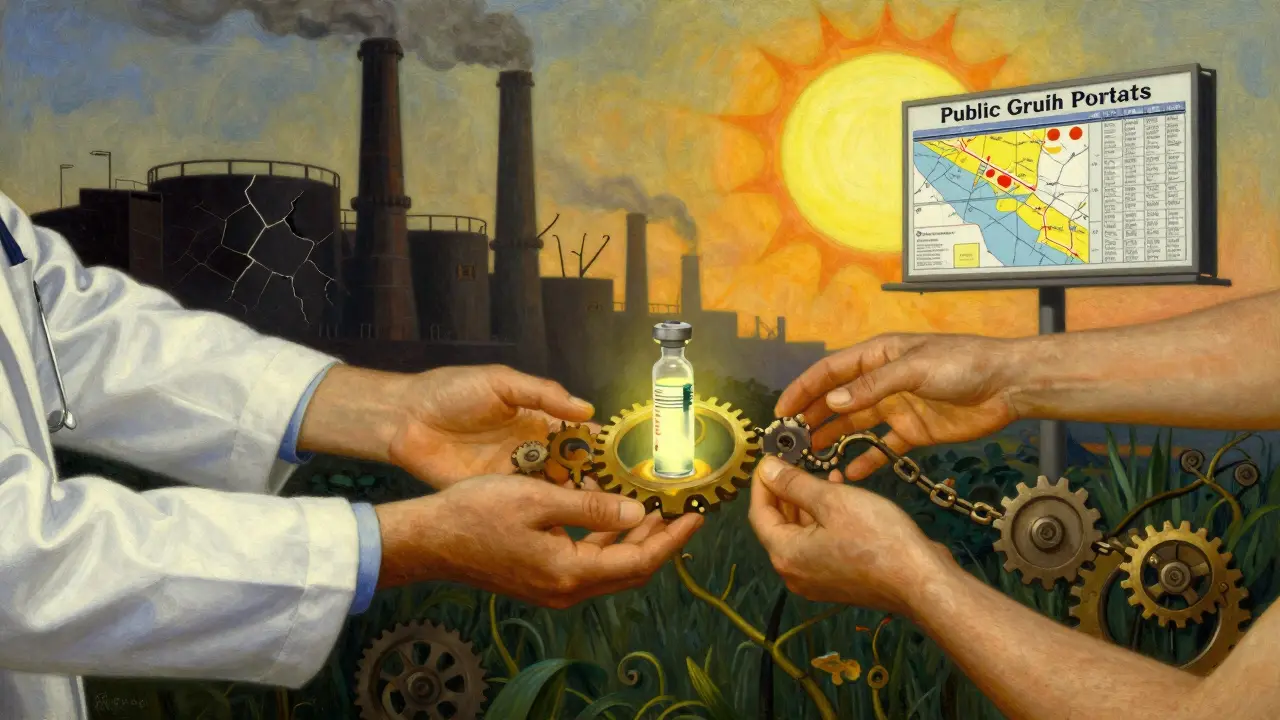
Some places are getting smarter. New Jersey proposed letting pharmacists give emergency insulin supplies without a prescription. California and New York are stockpiling critical drugs like medical abortion pills and chemotherapy agents. Hawaii now allows foreign-approved drugs under special waivers.
In Australia, the Therapeutic Goods Administration (TGA) has started fast-tracking approvals for alternative sources of critical drugs. But progress is slow. Most patients still have to fight for access.
What’s Changing in 2025
The biggest shift? Real-time data. Pilot programs at 47 major health systems now use AI tools that alert doctors the moment a drug is in shortage-right when they’re writing a prescription. One system cut the time to find a safe alternative by 28%.
Another change: more transparency. New York is working on a public database that shows which pharmacies have which drugs in stock. Imagine searching for insulin and seeing three nearby pharmacies with it-right now, that doesn’t exist in most places.
But the core problem remains: too few manufacturers, too little oversight, and too much profit-driven decision-making. Without structural changes, shortages will keep happening.
What You Should Do Today
Even if you’re not in a shortage right now, prepare.
- Keep a printed list of your medications, doses, and why you take them.
- Save your pharmacist’s direct line and your doctor’s after-hours contact.
- Sign up for FDA and TGA shortage alerts-both offer email notifications.
- Ask your doctor now: “If my medication runs out, what’s the next best option?” Don’t wait until it’s an emergency.
Drug shortages aren’t going away. But you don’t have to be helpless. Knowledge, preparation, and communication are your best tools. The system isn’t perfect-but you can still protect your health.


