
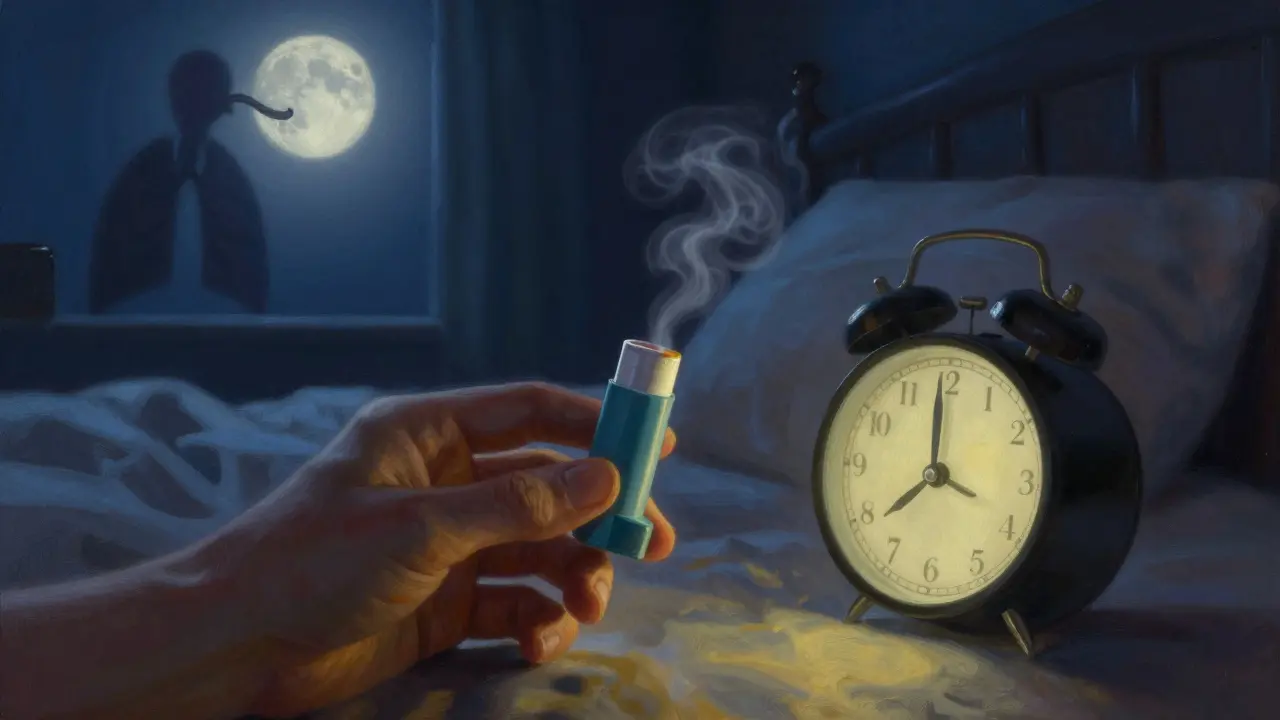
Most people don’t think twice about keeping an old inhaler, eye drops, or cream in the medicine cabinet-until they need it. Maybe it’s an asthma attack at 2 a.m., or a sudden flare-up of eczema. You grab the closest bottle, check the date, and see it’s been expired for six months. You wonder: is it still safe to use? The truth is, it’s not just about whether the medicine works-it’s about whether it could hurt you.
Why Expired Medications Aren’t Just ‘Old’-They’re Risky
Expiration dates aren’t arbitrary. They’re based on real science. Manufacturers test how long a drug stays stable under normal storage conditions. For most pills, that’s 12 to 24 months. But inhalers, eye drops, and topical creams? They degrade faster-and in dangerous ways. Take inhalers. If you’re using an expired albuterol inhaler during an asthma attack, you might only get 60% of the dose you need. That’s not a minor drop-it’s the difference between breathing and calling 911. A 2021 study in the Chest Journal found that expired inhalers delivered inconsistent doses, with some delivering as little as 40% of the labeled amount. That’s not a guess. That’s measurable, life-threatening underdosing. Eye drops are even more alarming. Once they expire, they become breeding grounds for bacteria. A 2022 study in Clinical Ophthalmology found that 38% of expired artificial tears showed microbial growth after just one week. That’s not contamination you can see. That’s invisible bacteria you’re putting directly into your eye. One wrong drop can lead to a corneal ulcer-and permanent vision loss. Topical creams like hydrocortisone? They lose potency, but they don’t turn toxic. Still, if you’re using a 2-year-old cream for a rash, you’re not getting the relief you need. At 30°C (86°F), hydrocortisone drops to 65% potency six months past expiration. That’s not just ineffective-it’s misleading. You think it’s working, but it’s not.How Inhalers Degrade-And Why You Can’t Just Shake Them
Inhalers are pressurized cans with chemicals inside. The propellant keeps the medicine suspended and delivers it in a fine mist. Once the expiration date passes, that propellant starts to leak or break down. A 2020 FDA study showed that Combivent Respimat lost 25% of its pressure just 18 months after expiration. That means fewer puffs. Worse, the medicine doesn’t spray evenly. You might get a full dose one time, then nothing the next. Dry powder inhalers like Advair Diskus don’t have propellants, but they’re just as vulnerable. Moisture ruins them. If you keep your inhaler in the bathroom-where humidity runs over 60%-it can lose 15-20% of its potency in six months after expiration. That’s not theory. That’s lab data from the Journal of Aerosol Medicine. And here’s the scary part: even if you think the inhaler still sprays, up to 29% of the medication can still be trapped inside the device. That’s not just wasted medicine. It’s a fire hazard. Pressurized cans in the trash can explode in incinerators or landfills. That’s why the EPA classifies many inhalers as hazardous waste.Eye Drops: The Silent Danger in Your Bathroom
Eye drops are sterile. Once you open them, they’re exposed to air, bacteria, and your fingers. The preservatives inside keep them safe for 28 days after opening-unless they’re expired. After that, those preservatives break down. No preservatives = bacteria feast. The American Academy of Ophthalmology found that 42% of expired eye drop samples tested positive for microbial contamination after 30 days. That’s more than four times the contamination rate of fresh drops. And it doesn’t matter if the bottle looks clean. You can’t see bacteria. You can’t smell them. But your eye can feel them-pain, redness, blurred vision. In severe cases, it leads to surgery. If you’re using expired eye drops for dryness, allergies, or glaucoma, you’re gambling. Glaucoma drops are especially dangerous. If they don’t lower eye pressure, you risk irreversible nerve damage. No one wants to hear that their “just in case” bottle could cost them their sight.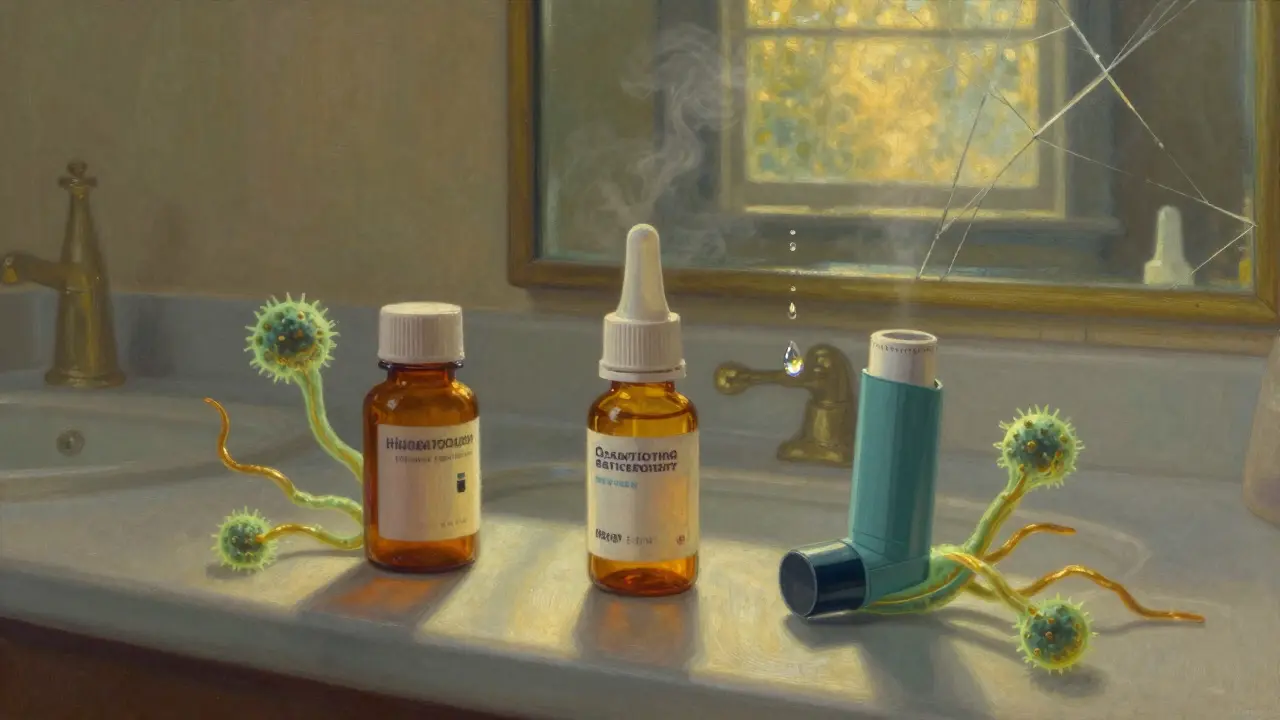
Topical Medications: Weak, Not Deadly-But Still Not Worth It
Topical meds like hydrocortisone, antifungal creams, or antibiotic ointments don’t usually become toxic after expiration. But they do become useless. And that’s dangerous in its own way. If you’re using an expired steroid cream for eczema, you might think it’s helping because the redness faded a little. But if it’s only delivering 65% of the active ingredient, you’re not treating the root cause. You’re just masking it. That leads to longer flare-ups, more skin damage, and sometimes, secondary infections. And storage matters. Keep hydrocortisone in a hot car or a sunny bathroom? It degrades faster. Store it in a cool, dry drawer? It lasts longer. But even then, it won’t last past its expiration date and stay fully effective.What to Do With Expired Medications-The Right Way
You don’t throw them in the trash. You don’t flush them. You don’t keep them “just in case.” The safest, most responsible way to dispose of expired medications is through a drug take-back program. The DEA runs over 11,000 collection sites across the U.S., including pharmacies like CVS and Walgreens. These sites accept inhalers, eye drops, creams-everything. No questions asked. No cost. If there’s no drop-off near you, here’s what to do:- Remove the medication from its original container.
- For inhalers: Do not puncture or burn them. They’re pressurized. That’s a fire risk.
- For pills and liquids: Mix them with something unappetizing-used coffee grounds, cat litter, dirt. This keeps kids and pets from eating them.
- Put the mixture in a sealed plastic bag or container.
- Throw it in the trash.
Why Most People Get This Wrong
A 2023 survey by the Allergy & Asthma Network found that 63% of people think expired inhalers can go in the regular trash. That’s not just ignorance-it’s dangerous. The same survey found that 41% of low-income asthma patients use expired inhalers because they can’t afford a new one. That’s a systemic failure, not a personal one. Cost is the biggest barrier. After ProAir HFA was discontinued in 2022, prices jumped. Medicaid patients were hit hardest. Some are using inhalers that are two or three years past expiration. That’s not choice. That’s necessity. But here’s the truth: using an expired inhaler doesn’t save money. It costs more. A single emergency room visit for an uncontrolled asthma attack can run over $2,000. A new inhaler? Around $50 with insurance. The math doesn’t add up.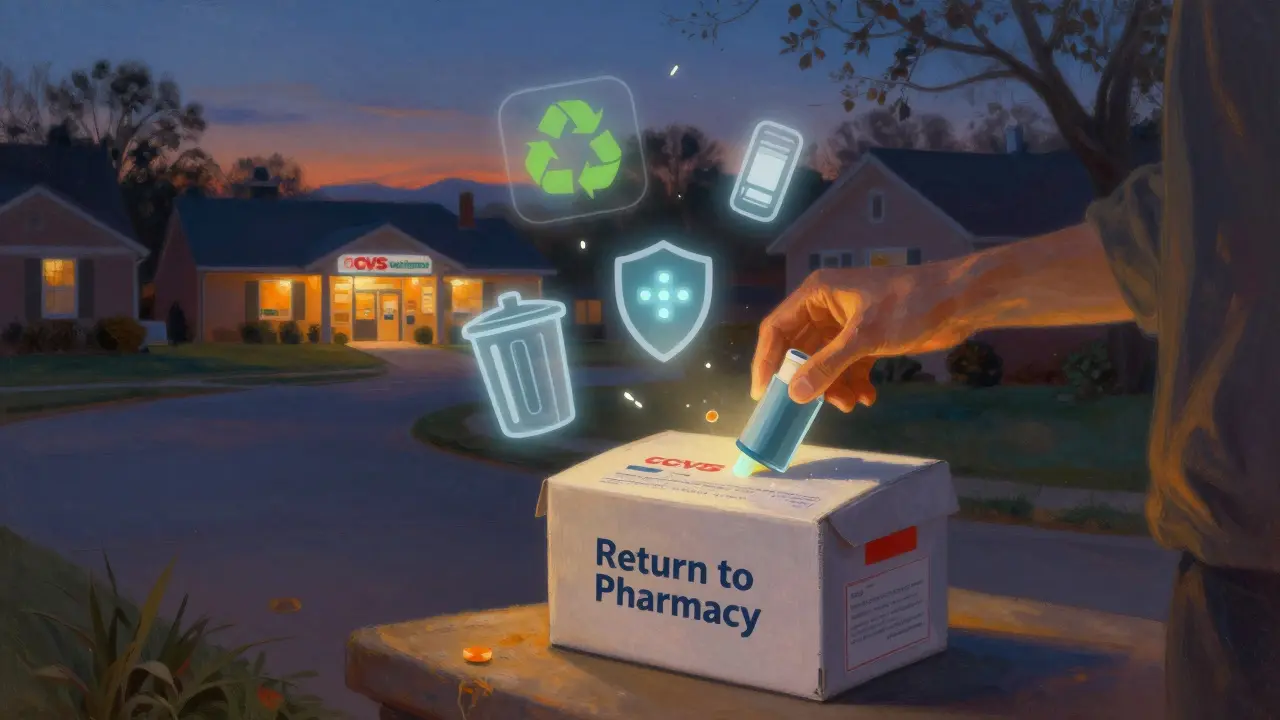
What’s Changing-And What’s Coming
The tide is turning. The 2022 Inflation Reduction Act gave $5 million to expand medication disposal programs. By early 2024, 47 states had launched new initiatives. Propeller Health’s new inhaler cap, released in Q2 2023, alerts you 30 days before expiration and even tells you how to dispose of it. That’s the future: smart packaging that doesn’t just deliver medicine-it guides you through safe use and disposal. By 2027, 90% of major pharmacies are expected to offer full disposal services. But until then, you have to be proactive. Don’t wait for the system to catch up. Take action now.When to Replace-And When to Act Fast
Here’s a simple rule:- Replace inhalers if they’re expired-even if they still spray. Your life depends on full potency.
- Throw away eye drops the day after expiration. No exceptions.
- Replace topical creams if they’ve changed color, smell, or texture-even if the date hasn’t passed.
Final Thought: It’s Not About Saving a Few Dollars
Expired medications aren’t a cost-saving hack. They’re a risk. An inhaler that doesn’t work when you need it most can kill you. Eye drops that grow bacteria can blind you. Creams that don’t work can turn a small rash into a hospital visit. You don’t need to be perfect. You just need to be informed. Replace what’s expired. Dispose of it safely. And if you can’t afford a new one-ask for help. Community health centers, nonprofits, and even some pharmacies offer free or low-cost medications. You’re not alone. But you are responsible-for your health, and for the environment.Can I still use an expired inhaler in an emergency?
No. While some people report mild relief from expired inhalers, studies show they deliver inconsistent and often dangerously low doses-sometimes as little as 40% of the labeled amount. During an asthma attack, that’s not enough to open your airways. Relying on an expired inhaler could delay proper treatment and lead to hospitalization or worse.
Are expired eye drops dangerous even if they look fine?
Yes. Even if the solution looks clear and smells normal, bacteria can grow inside after expiration. A 2022 study found 38% of expired eye drops were contaminated. These infections can cause corneal ulcers, permanent vision loss, or require surgery. Never use eye drops past their expiration date.
Can I flush expired medications down the toilet?
Only if the label specifically says to. For most medications, including inhalers and eye drops, flushing is not recommended. It contaminates waterways. The FDA and EPA advise using drug take-back programs instead. If no take-back option is available, mix the medication with coffee grounds or cat litter and throw it in the trash.
Why are inhalers considered hazardous waste?
Many inhalers contain propellants like hydrofluoroalkanes (HFAs), which are classified as hazardous under the Resource Conservation and Recovery Act (RCRA). When thrown in the trash, these pressurized cans can explode in compactors or incinerators, releasing toxic chemicals. Proper disposal through take-back programs prevents environmental harm and protects waste workers.
Where can I find a free medication disposal site near me?
Visit the DEA’s National Prescription Drug Take Back Day website or call the Medicine Safe Disposal Hotline at 1-800-222-1222. Major pharmacy chains like CVS and Walgreens offer year-round drop-off bins at most locations. Some states, like Washington and California, also provide free prepaid mailers for inhalers.
How do I know if my topical medication has gone bad?
Look for changes in color, texture, or smell. If the cream separates, turns watery, smells sour, or develops mold, throw it away-even if it’s before the expiration date. Potency can drop long before the date, especially if stored in heat or humidity.
Can I save money by using expired medications?
No. While it seems like a way to cut costs, using expired meds often leads to worse outcomes: longer illness, more doctor visits, or emergency care. A single ER visit for an uncontrolled asthma attack can cost over $2,000. A new inhaler costs about $50 with insurance. The real savings come from replacing expired meds before they fail.


