
When you pick up a prescription, you might see two options: the name you recognize from TV ads, or a simpler label with a strange string of letters and numbers. One costs $15. The other costs $150. You might wonder - is the cheaper one just as good? The answer isn’t as simple as it seems, but the data tells a clear story.
They’re the Same Drug - Mostly
Generic drugs aren’t knockoffs. They’re not copies. They’re the exact same medicine as the brand-name version, down to the active ingredient. The FDA requires that every generic drug contain the same active ingredient, in the same strength, same dosage form (pill, injection, cream, etc.), and same route of administration (taken by mouth, injected, absorbed through skin) as the original. That’s not a suggestion - it’s the law.
Here’s the key: the FDA demands bioequivalence. That means the generic must deliver the same amount of medicine into your bloodstream at the same rate as the brand-name drug. The acceptable range? Between 80% and 125% of the brand’s absorption. Most generics fall within 3.5% variation, according to a 2016 JAMA study of over 2,000 tests. In plain terms? Your body processes them the same way.
So why do they look different? Color, shape, size - those are all inactive ingredients. Trademark laws force generics to look different from the brand. That’s why your blue pill from one pharmacy might be white and oval from another. But the medicine inside? Identical.
Why Are Generics So Much Cheaper?
Brand-name drugs cost a fortune because the company had to pay for every step: finding the molecule, running clinical trials, proving it works, getting FDA approval, marketing it. The FDA estimates it takes about $2.6 billion to bring a new drug to market. That’s why Lipitor, for example, cost $130 a month when it was new.
Generic manufacturers don’t repeat that expensive process. Once the patent expires, they just need to prove their version works the same way. That cuts development costs by 90%. No ads. No sales teams. No patent protection to recoup. So they can sell it for pennies. In 2022, GoodRx found generics saved patients an average of 82.5% off brand-name prices. For some drugs, like atorvastatin, the generic dropped to under $1 a month after five years.
The savings aren’t just personal. From 2007 to 2016, generic drugs saved the U.S. healthcare system $1.67 trillion. Medicare saved $77 billion. Medicaid saved $38 billion. That’s not a drop in the bucket - that’s the entire budget of a small country.
When Generics Might Not Be the Same
For most people, generics work perfectly. But there’s a small group where even tiny differences matter: people taking narrow therapeutic index (NTI) drugs. These are medications where the difference between a helpful dose and a dangerous one is razor-thin.
Examples include warfarin (blood thinner), levothyroxine (for thyroid), and some seizure drugs like phenytoin or carbamazepine. A 0.1% change in blood levels can mean the difference between control and crisis.
Some neurologists have seen trouble when patients switch between different generic versions of levetiracetam. One 2017 study found a 32% higher risk of seizure-related hospitalizations after switching between generic manufacturers. That’s not because generics are bad - it’s because the body might react slightly differently to different fillers or coatings, even if the active ingredient is the same.
The FDA says all approved generics are therapeutically equivalent. But the American Academy of Neurology says for NTI drugs, consistency matters. If you’re on one generic and it’s working, don’t switch unless your doctor says so. If you’re on a brand and your doctor suggests switching, ask if you can stick with one generic manufacturer.
What Patients Are Really Saying
Look at patient reviews on Drugs.com. For common drugs like metformin or lisinopril, 87% of users report no difference between generic and brand. That’s huge. But for levothyroxine, 13% report problems after switching - usually fatigue, weight gain, or mood changes. These aren’t rare complaints. They’re real.
On Reddit’s r/Pharmacy, people share stories. One user saved $450 a month switching from Humira to its biosimilar. Another said their thyroid levels went wild after switching generics three times in six months. The pattern? For most drugs, no issue. For NTI drugs, watch closely.
Medicare data shows 68% of beneficiaries choose generics because of cost. Only 22% choose them because their doctor recommended it. That tells you something: people are smart about money, but they’re not always informed about when to be cautious.
What You Can Do - Practical Steps
You don’t need to be a pharmacist to make smart choices. Here’s how to protect yourself:
- Ask your doctor: If you’re on a high-risk drug like warfarin, levothyroxine, or an antiepileptic, ask if you should stay on the brand or stick with one generic manufacturer.
- Check the pill: If your pill changes color, shape, or size, ask the pharmacist if it’s still the same drug. Don’t assume it’s a mistake.
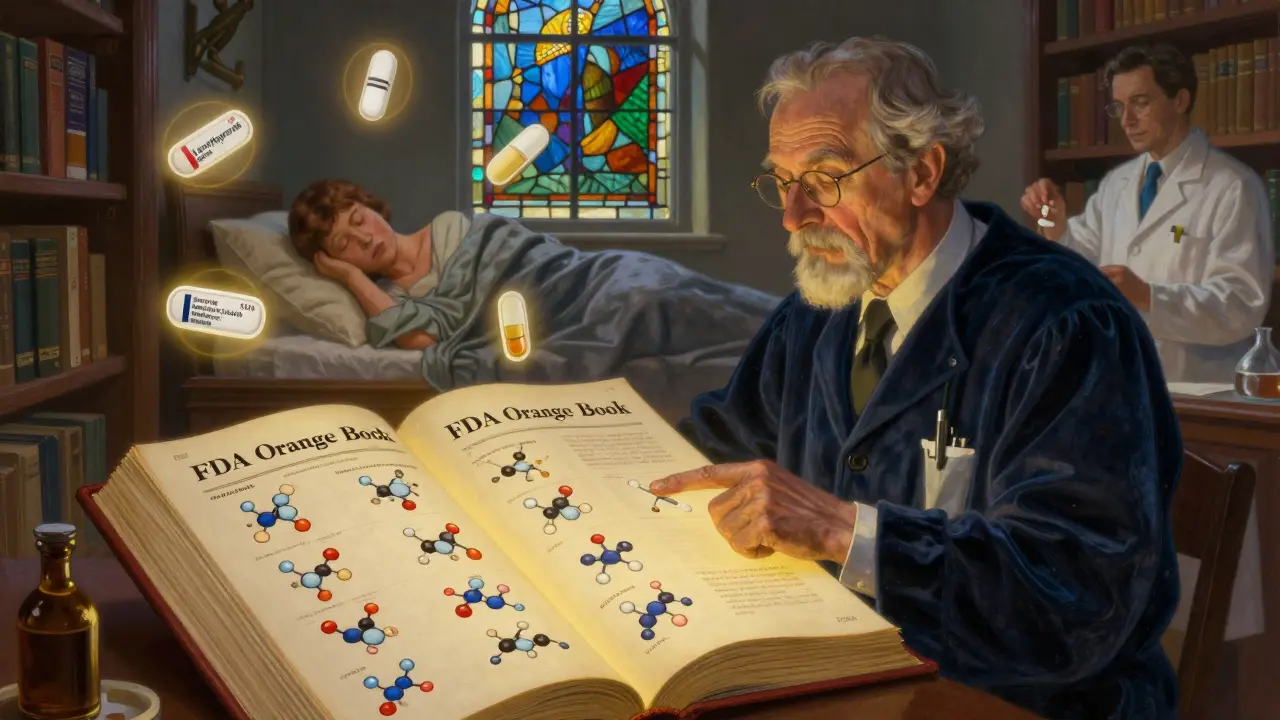
- Use the FDA’s Orange Book: It lists every approved generic and its therapeutic equivalence rating. You can search it online - it’s free.
- Use GoodRx: Compare prices across pharmacies. Sometimes the same generic costs $3 at Walmart and $12 at your local drugstore.
- Ask for "dispense as written": If your doctor agrees you should stay on a specific version, they can write "DAW 1" or "dispense as written" on the prescription. That stops the pharmacist from switching it.

Who Makes These Drugs - And Should You Worry?
Most generic drugs sold in the U.S. are made overseas. India and China produce the majority of active ingredients. That doesn’t mean they’re unsafe. The FDA inspects all facilities - domestic and foreign - using the same rules. But here’s the catch: a 2023 GAO report found 18% of foreign manufacturing sites had FDA inspection issues, compared to 8% of U.S. sites.
That’s why drug shortages happen. In 2022, there were 178 active shortages of generic medications. Often, it’s because one factory had a problem and there’s no backup. That’s why some patients end up paying more - not because generics are expensive, but because supply is broken.
The biggest generic makers? Teva, Sandoz, and Viatris. They produce most of the pills you take. But because there are so many competitors, prices stay low - until one company leaves the market, and then prices spike.
The Bigger Picture
Generics make up 90% of all prescriptions filled in the U.S. But they account for only 26% of total drug spending. That means brand-name drugs, which make up just 11% of prescriptions, cost 74% of the money spent on medicine. That’s the real problem - not generics. It’s the high cost of innovation.
The FDA is trying to fix that. Their new GDUFA III program aims to cut approval times for generics from 14 months to 10. They’re also pushing to make complex generics - like inhalers and topical creams - easier to produce. In 2022, they approved 12 complex generics. Five years ago, it was three.
Biosimilars - the generic version of biologic drugs like Humira - are the next big thing. They’re harder to make, so they’re pricier than regular generics. But they’re still 15-35% cheaper than the brand. With Humira’s patent expiring in 2023, billions in savings are expected in the next decade.
The future? More generics. More savings. But also more complexity. For most people, switching to generic is a no-brainer. For a small group, it’s a conversation you need to have with your doctor - not your pharmacist.
Bottom Line
For 9 out of 10 prescriptions, generic drugs are just as safe and effective as the brand. They save you money, the system money, and they’ve been used safely by millions. But for a few critical medications - especially those where tiny changes in blood levels can cause big problems - consistency matters. Don’t assume all generics are interchangeable. Know your drug. Know your body. And if you’re unsure, ask.
Are generic drugs as effective as brand-name drugs?
Yes, for the vast majority of medications. The FDA requires generics to deliver the same active ingredient in the same amount and at the same rate as the brand-name version. Studies show 90% of patients have identical results. The only exceptions are narrow therapeutic index drugs, where even small variations in absorption can matter.
Why do generic pills look different from brand-name pills?
By law, generics can’t look exactly like the brand-name drug because of trademark rules. That’s why color, shape, and size may differ. But the medicine inside is the same. The differences are in inactive ingredients like dyes or fillers - not the active drug.
Can I switch between different generic brands of the same drug?
For most drugs, yes. But for narrow therapeutic index drugs like levothyroxine, warfarin, or certain seizure medications, switching between manufacturers can cause problems. If you’re on one of these, ask your doctor if you should stick with one generic manufacturer or stay on the brand.
Are generic drugs made in unsafe facilities?
No. All generic drug facilities - whether in the U.S., India, or China - must meet the same FDA standards. But inspections show foreign facilities have a higher rate of minor violations (18% vs. 8% for U.S. facilities). That doesn’t mean they’re unsafe, but it’s why supply chain issues sometimes cause shortages.
How do I know if my pharmacy switched my generic?
Check the pill’s appearance. If it’s a different color, shape, or size than last time, ask the pharmacist. You can also check the National Drug Code (NDC) on the bottle - if it changed, the manufacturer changed. Use the FDA’s Orange Book to confirm it’s still the same drug.
Can I ask my doctor to keep me on the brand-name drug?
Yes. Your doctor can write "dispense as written" or "DAW 1" on your prescription. This tells the pharmacist not to substitute a generic. Insurance may require you to pay more, but if you’ve had issues with generics or are on a high-risk medication, it’s a valid choice.


