
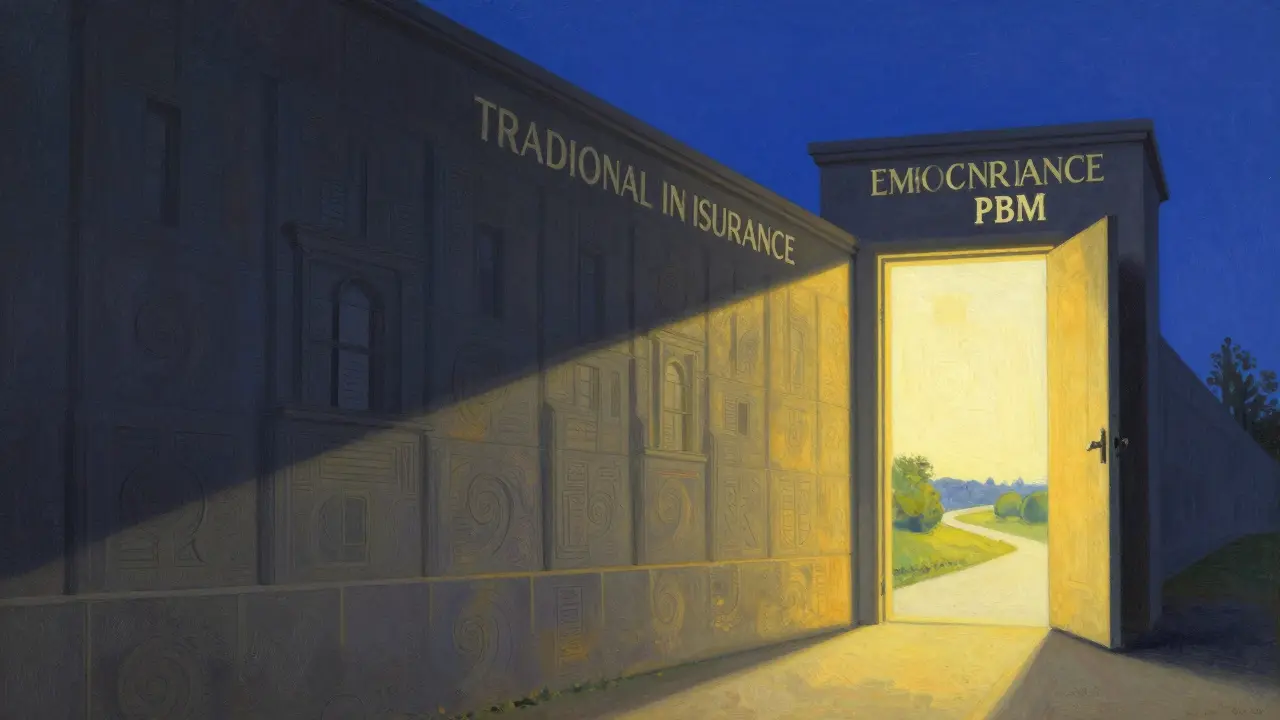
Imagine finding out that the medication you've been paying $200 a month for through your insurance is available online for $40. For many people, this isn't a hypothetical scenario-it's the reality of the emerging direct-to-consumer pharmacies is a cash-pay pharmacy model that sells medications directly to patients, bypassing traditional insurance middlemen . These platforms are shaking up how we buy medicine, but they aren't a magic bullet for everyone. Depending on your insurance plan and the specific drug you need, switching to a cash-pay model could either save you hundreds of dollars or actually cost you more.
The Quick Breakdown: Cash vs. Insurance
Before you cancel your pharmacy benefits, you need to understand the core trade-off. Traditional insurance relies on Pharmacy Benefit Managers (also known as PBMs), which are the entities that negotiate rebates and create the "formularies" (the list of covered drugs) for your insurance. DTC pharmacies cut out the PBM entirely. They use a transparent pricing model-often selling a drug at its manufacturing cost plus a small, flat markup.
| Feature | Traditional Insurance/PBM | DTC Generic Pharmacy |
|---|---|---|
| Pricing Model | Complex rebates and copays | Cost + Fixed Markup (e.g., 15%) |
| Accessibility | Based on insurance formulary | Based on pharmacy stock |
| Price Stability | Can change based on plan tiers | Transparent, listed on website |
| Payment | Insurance pays a portion | 100% Out-of-pocket (Cash) |
Where the Big Savings Actually Are
Not all generics are created equal. If you're taking a common medication-think basic blood pressure or cholesterol meds-the savings at a DTC pharmacy might be minimal. A 2024 study in the Journal of General Internal Medicine found that while common generics were cheaper than retail prices, the absolute savings were relatively small (around $19). For these, the convenience of your local pharmacy usually outweighs the few dollars saved.
The real win happens with "expensive generics." These are drugs that are technically generic but have high manufacturing costs or limited competition. For these medications, the study found median savings of about $231 per prescription compared to retail prices. If you're dealing with a high-cost generic that your insurance doesn't cover well, a DTC model is a game-changer.
However, you can't just pick one site and stay there. The cheapest option varies by platform. For expensive generics, Amazon Pharmacy often had the lowest price (about 47% of the time in the study), while Mark Cuban Cost Plus Drug Company was the cheapest in 26% of cases. For common generics, Costco frequently took the lead.
The Hidden Risks: Availability and Specialty Gaps
The biggest problem with DTC pharmacies is that they don't carry everything. If you have a complex medical condition, you might find a "formulary gap." For instance, research commissioned by CVS Health focused on neurological medications. They found that some DTC pharmacies only carried a fraction of the necessary drugs-specifically, Mark Cuban's pharmacy only had 33 out of 79 studied neurological generics.
Furthermore, for these specialized drugs, the cash price wasn't always better. In the neurological study, only two of the available drugs were actually cheaper than what an insured patient would pay. This suggests that for specialty care or rare conditions, the traditional Medicare Part D or commercial insurance paths are still more reliable and often cheaper.
How to Strategically Shop for Meds
Since there is no single "master tool" that compares every retail, insurance, and DTC price in real-time, you have to do the legwork. If you want to lower your healthcare spend, follow this workflow:
- Check your current copay: Know exactly what you pay at your local pharmacy.
- Search the "Big Five": Check Amazon Pharmacy, Mark Cuban Cost Plus, Costco, Walmart, and Health Warehouse.
- Compare the total cost: Remember that DTC is cash-pay. You won't get insurance reimbursement for these.
- Verify availability: Ensure the pharmacy actually has the dose and strength you need before switching your prescription.
This process is time-consuming, especially if you're managing multiple chronic conditions. You have to decide if saving $50 a month is worth an hour of research and the hassle of transferring prescriptions. For some, the convenience of a 24-hour pharmacy next door is worth the extra cost; for others, the savings are essential for their budget.
The Bigger Picture: Why This Matters
The rise of DTC pharmacies is a direct response to the opacity of the US healthcare system. For years, PBMs have controlled the flow of money, often hiding the true cost of drugs. By introducing a "cost-plus" model, companies like Mark Cuban are forcing a level of transparency that didn't exist before. Even if you don't use them, their existence puts pressure on traditional pharmacies to lower their cash prices.
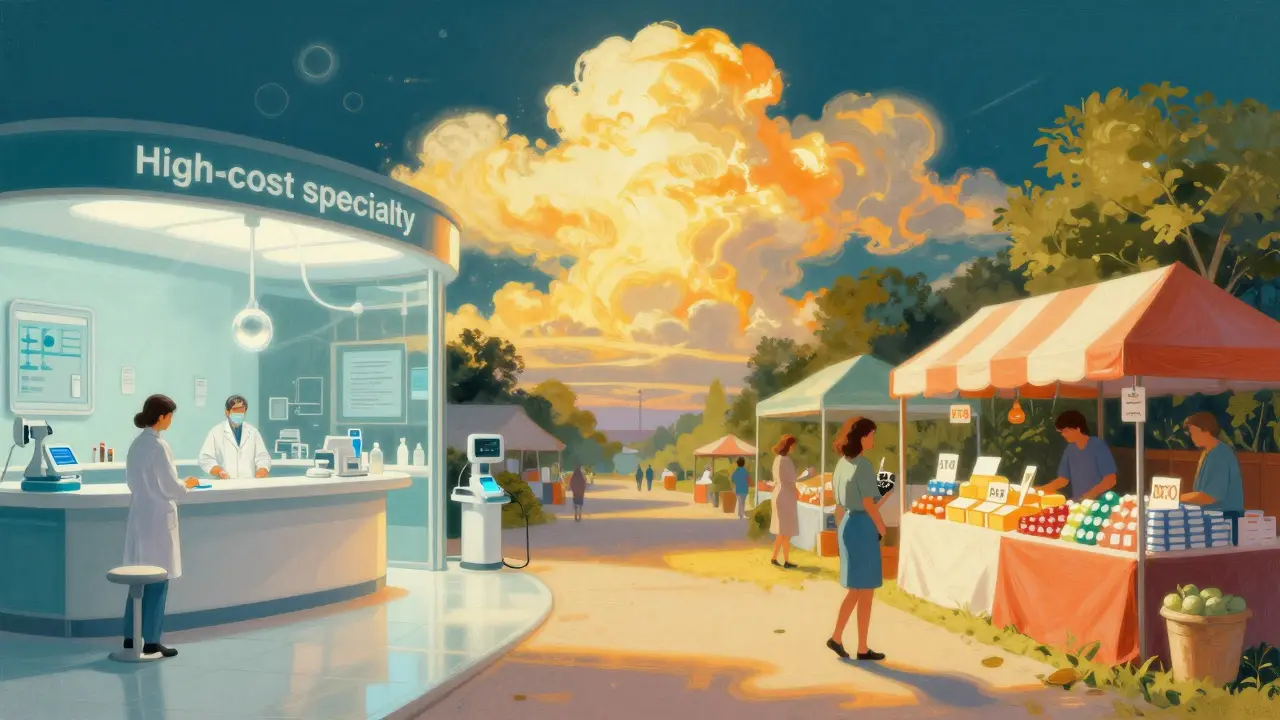
We are seeing a shift toward a hybrid approach. Some patients use insurance for their high-cost specialty drugs (where insurance coverage is a lifesaver) and use DTC pharmacies for their maintenance generics. This "mix and match" strategy is the most effective way to minimize out-of-pocket spending in 2026.
Do I need insurance to use a direct-to-consumer pharmacy?
No, you do not. DTC pharmacies are specifically designed as cash-pay models. They do not require insurance, which makes them an excellent option for the uninsured, underinsured, or those with very high deductibles.
Are the drugs from DTC pharmacies the same as those from CVS or Walgreens?
Yes. These pharmacies dispense generic versions of medications that meet the same FDA standards for safety and efficacy as the drugs found at traditional retail pharmacies.
Will my insurance cover the cost if I buy from a DTC pharmacy?
Generally, no. Because DTC pharmacies bypass the insurance and PBM network, these transactions are out-of-pocket. You cannot submit these receipts for reimbursement unless you have a very specific type of Health Savings Account (HSA) or Flexible Spending Account (FSA) that allows for it.
Why are some drugs cheaper at Amazon than at Mark Cuban's pharmacy?
Different pharmacies have different sourcing agreements and markup structures. While Mark Cuban uses a strict "cost-plus" model, others may use different pricing strategies or volume discounts to lower the price of specific high-volume medications.
Is it safe to buy medications online from these platforms?
Yes, provided they are legitimate, licensed US pharmacies. The major players mentioned (Amazon, Costco, Walmart, and Mark Cuban) are regulated and licensed to operate within the US healthcare system.
Next Steps for Better Pricing
If you're ready to start saving, begin by listing every generic medication you currently take. Visit the websites of at least three DTC providers to compare the cash price against your current insurance copay. If the difference is significant, call your doctor to request a prescription transfer. For those with extremely complex needs, consider keeping your specialty meds with your insurance and moving only the high-cost generics to a DTC provider to balance cost and convenience.